



October is the start of the slow exhale.
The leaves let go. The light drops low and golden. The nights arrive earlier and stay longer. And the entire natural world — without apology or explanation — begins its descent toward winter. In many ancient traditions, this season marks the beginning of what is poetically called the death of the year: a period not of mourning, but of necessary quieting, of turning inward, of honoring what has been.
As a wellness designer, I find October irresistible — not just because of my unreasonable love for the aesthetic of it all, but because it is genuinely one of the most potent seasons for self-care. The dropping temperatures and lengthening nights are your body and your home's invitation to slow down, go deeper, and tend to your inner world with the same care you've been giving your outer one.
This year, I'm leaning all the way in. Here are six rituals I'm doing at home this October — some spooky, some science-backed, some both — to honor the season and take care of myself in the process.

1. Build a Beeswax Candle Altar at Home
Come October, I build a small altar in my home.
It doesn't have to be elaborate. A corner of a mantelpiece. A tray on a sideboard. A windowsill that catches the dusk. What it does have to include, in my opinion: beeswax candles.
The honeyed, imperfect glow of a beeswax flame does something a paraffin candle's chemical off-gassing simply never could. It smells like a meadow at the end of summer — warm, slightly sweet, entirely natural. It casts the kind of light that makes a room feel alive and faintly magical. And unlike conventional paraffin candles, which are petroleum by-products that can release toxic compounds into your indoor air when burned, beeswax burns cleanly, without contributing to your home's chemical load.
Dress your altar with what you love — dried flowers, small stones or crystals, a meaningful object, a photograph of someone you're thinking of this season. Add a few beeswax tapers or pillars. Light them at dusk. Sit with them for a while.
It smells like a spell in progress. It looks like one, too. And that, I would argue, is exactly what a self-care ritual should feel like.
Where to find beeswax candles: Look for 100% pure beeswax (not a blend) from local beekeepers or small-batch candle makers. Farmer's markets in October are an ideal hunting ground — and buying local supports the very bees that make them possible.

2. Create a "Death Corner" in Your Home
Stay with me on this one.
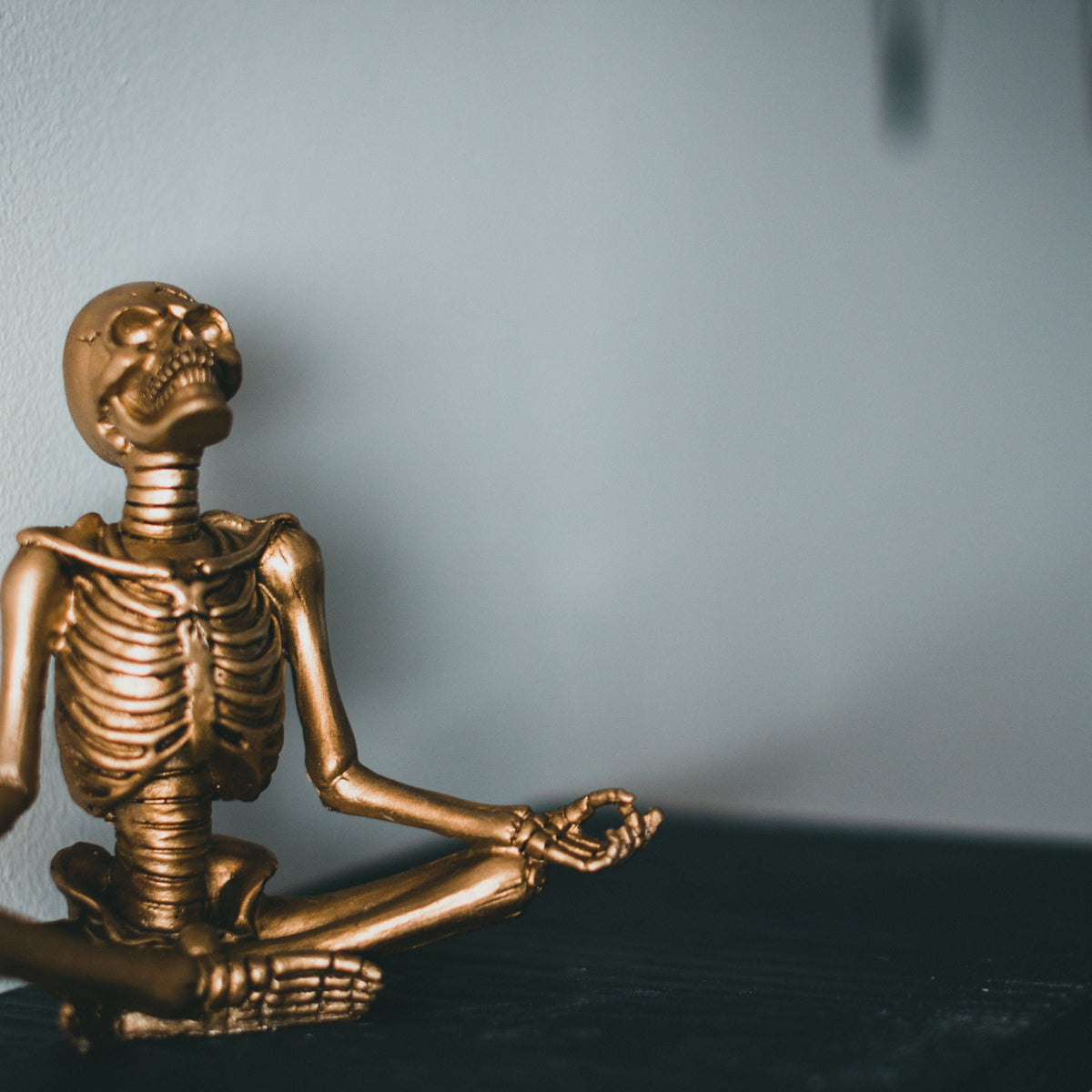
Every year, I designate a corner of my home as what I privately call the death corner — a small, intentional space where I place a skull, a skeletal figure, or some symbol of mortality, and let it hold court for the season. This isn't about courting gloom or decorating for its own sake. It's about something much older and, I think, much more honest.
Sitting with symbols of death is one of the most ancient self-care practices in human history. The Stoics called it memento mori — "remember you will die" — and used it as a daily practice to clarify what actually mattered and release attachment to what didn't. Buddhist traditions practice maranasati, mindfulness of death, as a path to presence and gratitude. And across Mesoamerican cultures, death has never been something to turn away from.
Which brings me to the tradition I find most beautiful in all of this: Día de los Muertos, celebrated November 1–2, takes that same "death corner" and transforms it into an ofrenda — an altar that doesn't mourn an ending, but actively welcomes ancestors home. Marigold petals, photographs, favorite foods, candles, incense. An invitation rather than a lament.
Let your October death corner begin that conversation. By the time November 1st arrives, you'll have spent a whole month in gentle relationship with mortality — and you might be surprised how light that makes you feel.
(More on how to celebrate Día de los Muertos sustainably — read our dedicated article on the Wellness Onion Journal for ideas on celebrating this beautiful tradition mindfully.)
Further reading: Memento Mori — World History Encyclopedia

3. Tune Your Home's Lighting for Spooky Season... and Your Sleep
Not drawn to the Phantom of the Opera aesthetic — dripping candelabras and dramatic shadows and all? You can fake the haunting glow without the wax or the drama.
Swap select bulbs in your main living spaces for warm, low-color-temperature options in the 2200–2700K range, ideally on a dimmer, for the evenings. The result: your home glows like it's lit entirely by candlelight and moonlight. Deeply atmospheric, completely intentional — and backed by some of the most compelling sleep science of the past decade.
Your body runs on a 24-hour biological clock called your circadian rhythm, and the primary input that clock reads is light. Bright, cool-toned light (think overhead LEDs or phone screens) signals your brain to stay alert and suppresses melatonin production — the hormone that prepares you for sleep. Warm, dim light in the evening does the opposite: it signals wind-down, allows melatonin to rise naturally, and prepares your body for the deep, restorative sleep that repairs tissue, consolidates memory, and regulates mood.
Poor circadian rhythm alignment has been linked to increased risk of depression, anxiety, weight gain, immune dysfunction, and cognitive decline. Getting your home's evening light warm and dim is one of the most elegant, inexpensive, and evidence-based wellness design choices you can make. And in October — when darkness arrives earlier and lingers longer — the seasonally appropriate timing couldn't be better.
No dripping wax, cauldron, or exorcism required. Just the right bulb, on a dimmer, after sunset.
Science source: Circadian Rhythms — National Institute of Mental Health
Quick upgrade: Warm-toned dimmer bulbs from any hardware store (look for 2200–2700K on the packaging) cost under $10 and deliver the full effect.
4. Ear Candling: The Most Theatrical Self-Care Ritual of the Season
Full disclosure upfront: ear candling is not scientifically proven. The FDA has warned against it, multiple studies have found no evidence of wax removal or suction, and there are real risks — including burns — if not approached carefully. I am legally, medically, and professionally obligated to tell you this.
That said — have you done it?
The experience of lying perfectly still while a hollow beeswax candle burns near your ear, the room filling with warm crackling and the occasional haunted snap, waiting to see what mysterious (spoiler: probably candle residue, not a demon) emerges — is, unironically, one of the most theatrical self-care rituals I can think of for October.
It is the wellness equivalent of watching a horror movie: the thrill is the point, not the outcome. The enforced stillness — ten to fifteen minutes of doing absolutely nothing, lying in semi-darkness while fire does its atmospheric work — is genuinely meditative. The ritual quality of it, the warmth and candlelight and quiet ceremony, is deeply seasonal. And the sheer drama of the whole thing will make you laugh, which is itself excellent medicine.
Treat it as what it is: a theatrical, deeply October self-care experience. Not a medical treatment. Not a detox protocol. Just a very cozy, slightly ridiculous, entirely seasonal ritual.
If you try it: Use 100% beeswax ear candles only, always with a second person present to manage the ash and flame, protect your hair and face with a guard plate, and never leave a flame unattended. If you have any ear issues, perforations, infections, or hearing concerns — skip it entirely and call your doctor.

5. The Seasonal Sheet Mask: Self-Care in Disguise
This one requires no explanation, only a commitment to full seasonal commitment.
October is pumpkin season — and pumpkin, as it happens, is genuinely excellent for skin. Rich in beta-carotene (a precursor to vitamin A), zinc, and natural fruit enzymes that gently exfoliate dead skin cells, pumpkin-based skincare is not just a trend — it's a legitimate October skincare choice. Pair it with a haunted mask aesthetic — ghost-printed, skull-patterned, bat-adorned — and you have the perfect costume for a solo self-care evening at home.
Apply your mask. Light your beeswax altar. Put on something suitably atmospheric. Decompress for twenty minutes. Emerge refreshed, slightly absurd, and genuinely glowing.
This is self-care at its most confusingly effective — simultaneously ridiculous and restorative. The joy is part of the medicine.
Ingredient to look for: Pumpkin enzyme or pumpkin seed oil in the INCI ingredient list. Avoid artificial fragrance and petroleum-derived ingredients (petrolatum, mineral oil, PEG compounds) — the same principle that guides Mache's material choices applies to what you put on your skin.
Free resource: EWG's Skin Deep Database — check any product's ingredient safety rating for free before you buy.

6. Take a Breathwork Journey: Confront Your Demons, Emerge Lighter
This is the ritual I saved for last because it is, by far, the most transformative — and the one that requires the most courage.
A breathwork journey is not a breathing exercise. It is not box breathing or 4-7-8 or mindful breath awareness. A full breathwork journey — typically 45–90 minutes of guided, connected breathing — takes you somewhere. Somewhere inside yourself. And October, the season when the veil between worlds is said to be thinnest, is the perfect time to go.
Conscious connected breathwork has been shown to activate the parasympathetic nervous system, release stored emotional tension held in the body, and produce what practitioners and participants consistently describe as profound shifts in perception — the kind that leave you laughing, crying, lighter, clearer, and genuinely surprised at what was waiting in the dark.
Confronting your own "demons" — the unprocessed grief, the old fear, the shadowy corner of your interior landscape you've been steering around — is one of the most powerful things you can do for your mental health. And breathwork, in my experience, takes you there gently and brings you back safely.
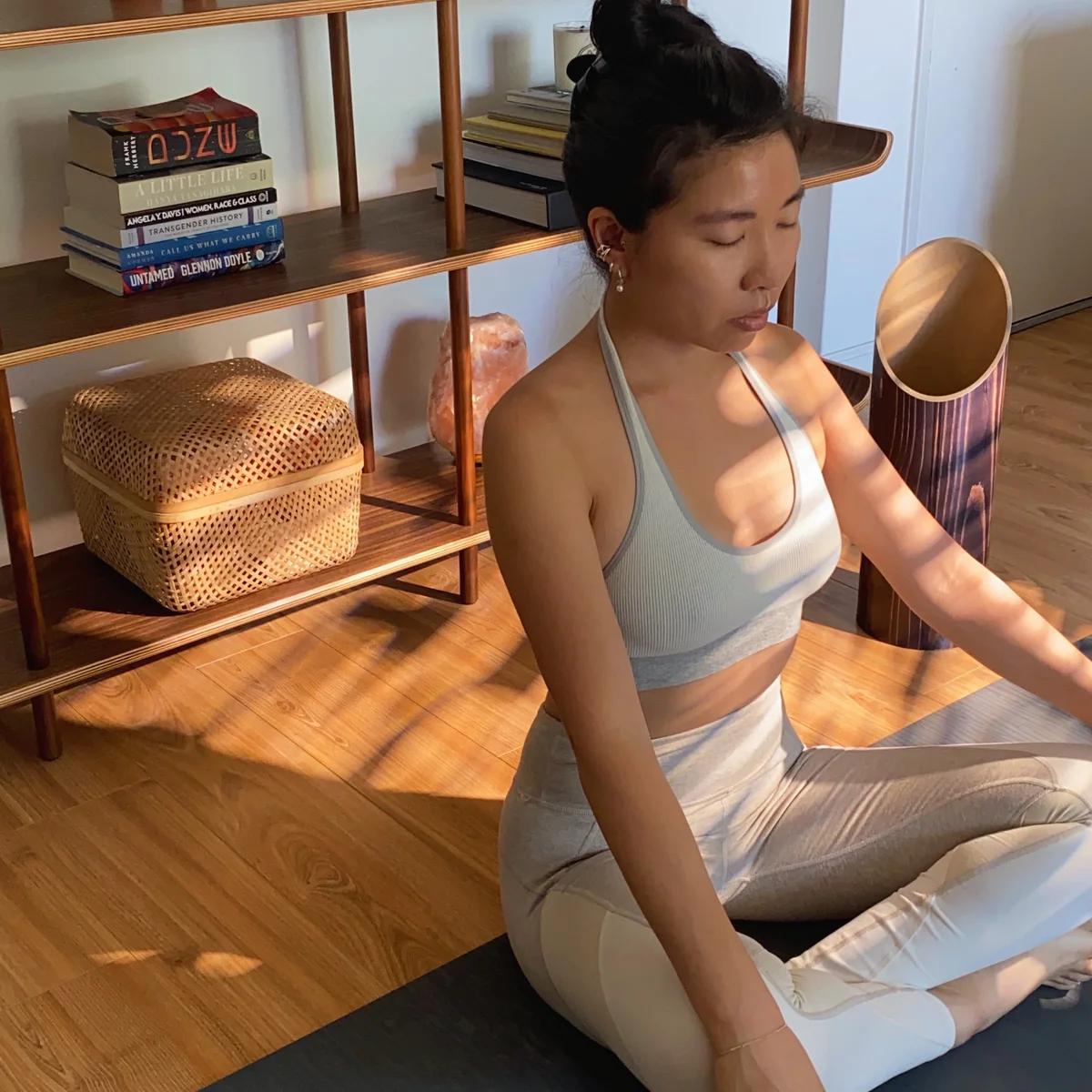
If you're new to breathwork and want to experience your first journey in the comfort and safety of your own home, I genuinely cannot recommend Stable Core Wellness highly enough. Nikki LaFord offers virtual breathwork sessions and guided journeys that are accessible, professionally held, and deeply transformative — the kind of thing you do once and then wonder how you lived without. Starting a breathwork practice from your own home — in your own wellness corner, with your altar lit nearby — is, frankly, the most October thing you can do for yourself this season.
What to expect: Tingling, emotional release, vivid imagery, laughter, tears, and the particular lightness that follows a genuinely deep exhale. Bring a journal. You'll want to write it down.
Further reading: What is Breathwork? — Healthline
One More Thing Before You Go
As October moves into November, the spirit of these rituals doesn't have to end — it transforms. If the death corner and altar ideas spoke to you, I'd love for you to explore our piece on Día de los Muertos on the Wellness Onion Journal — a deeper look at how to honor the season, your ancestors, and the passage of time in a way that is sustainable, culturally reverent, and genuinely beautiful.
→ Read next: [How to Celebrate Día de los Muertos Sustainably — Wellness Onion Journal]
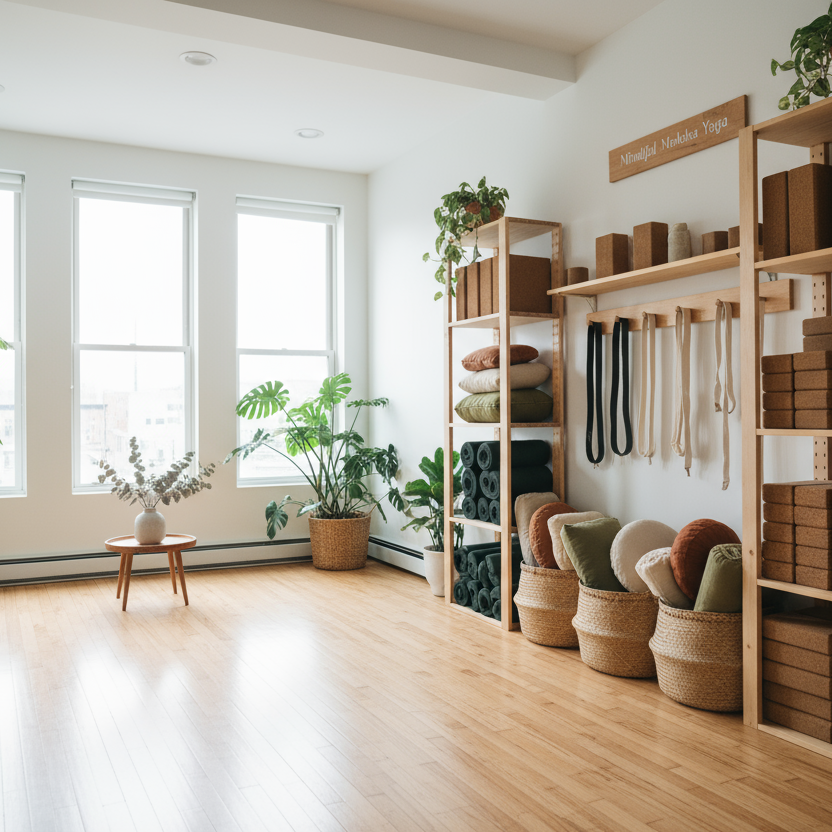
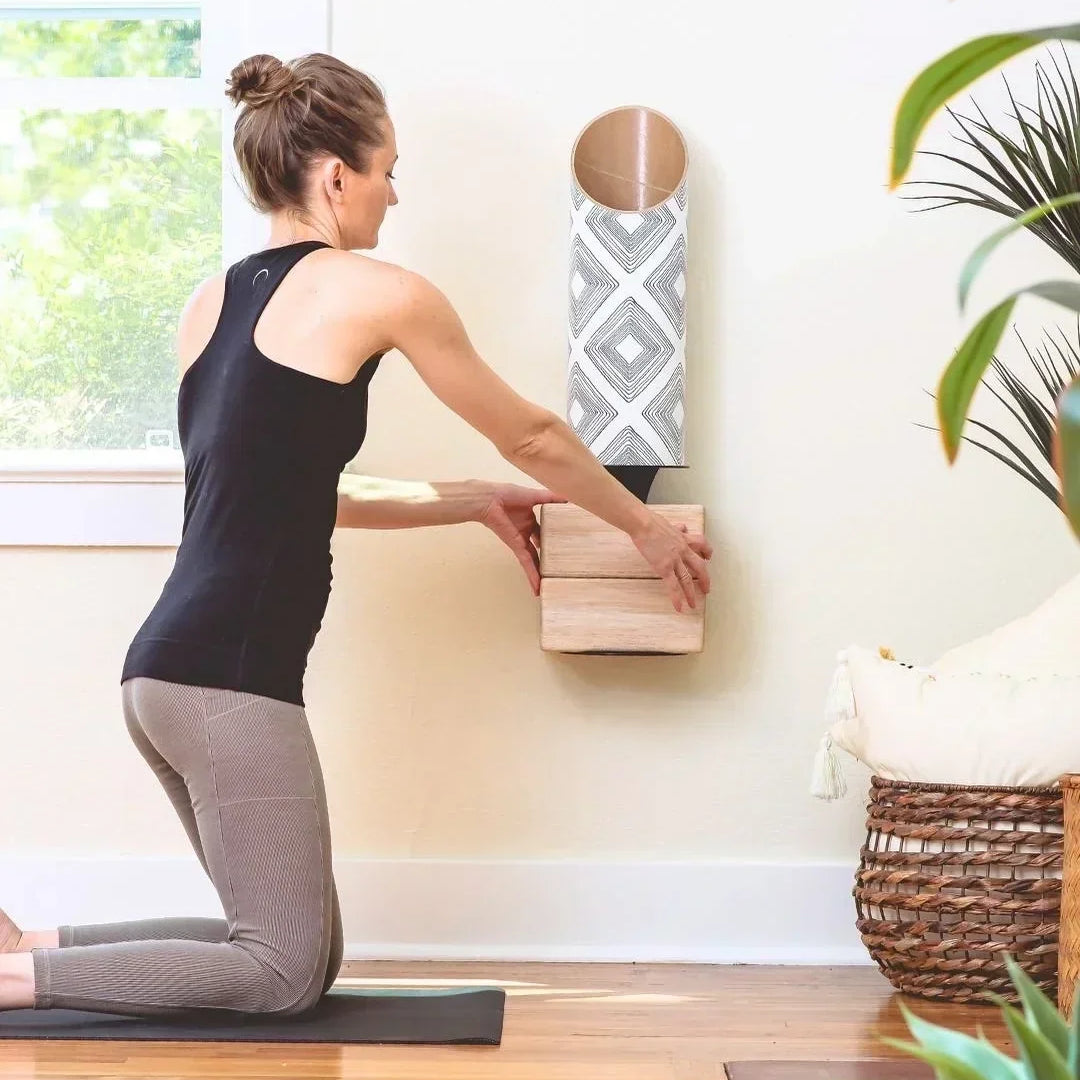
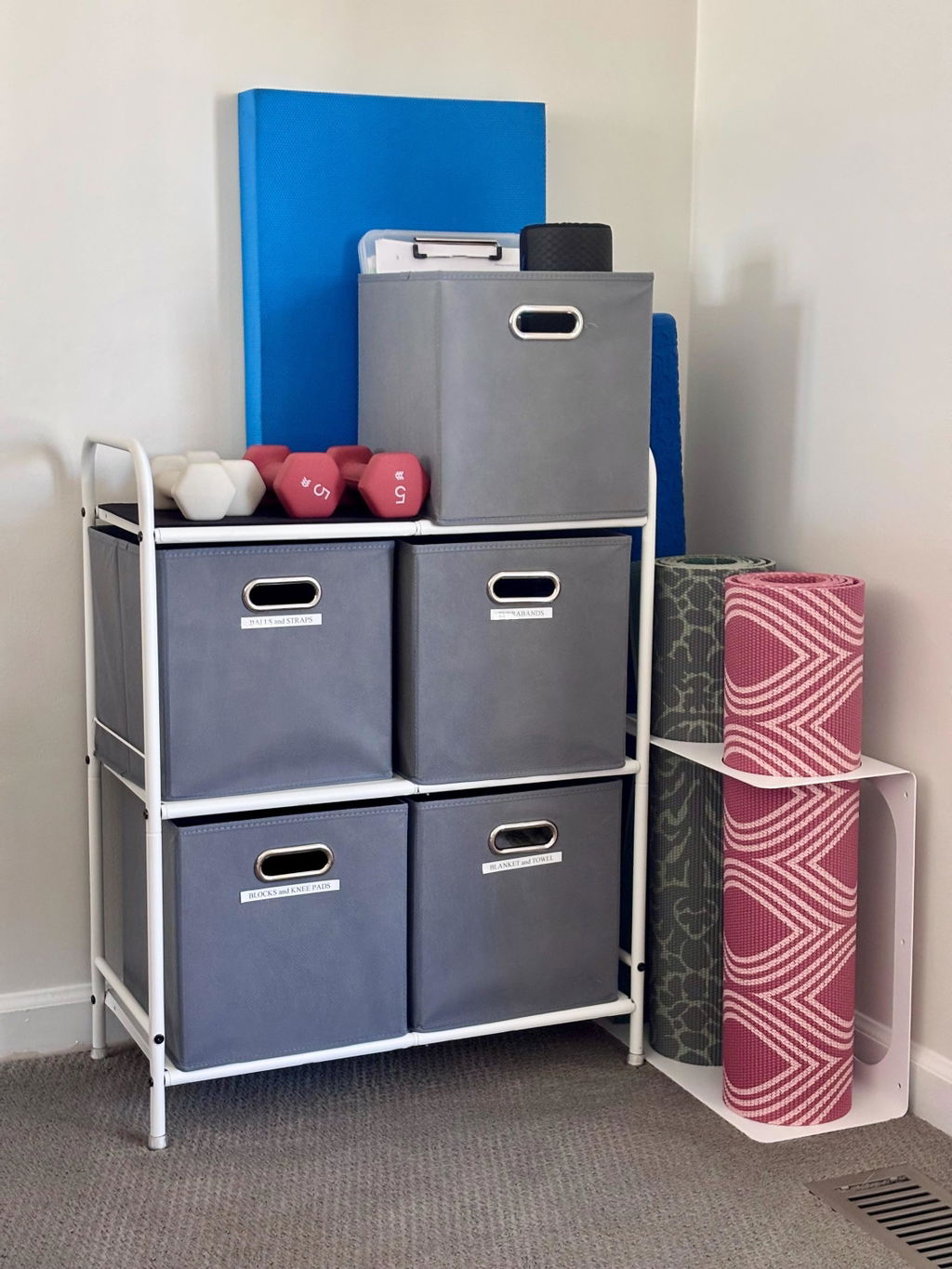
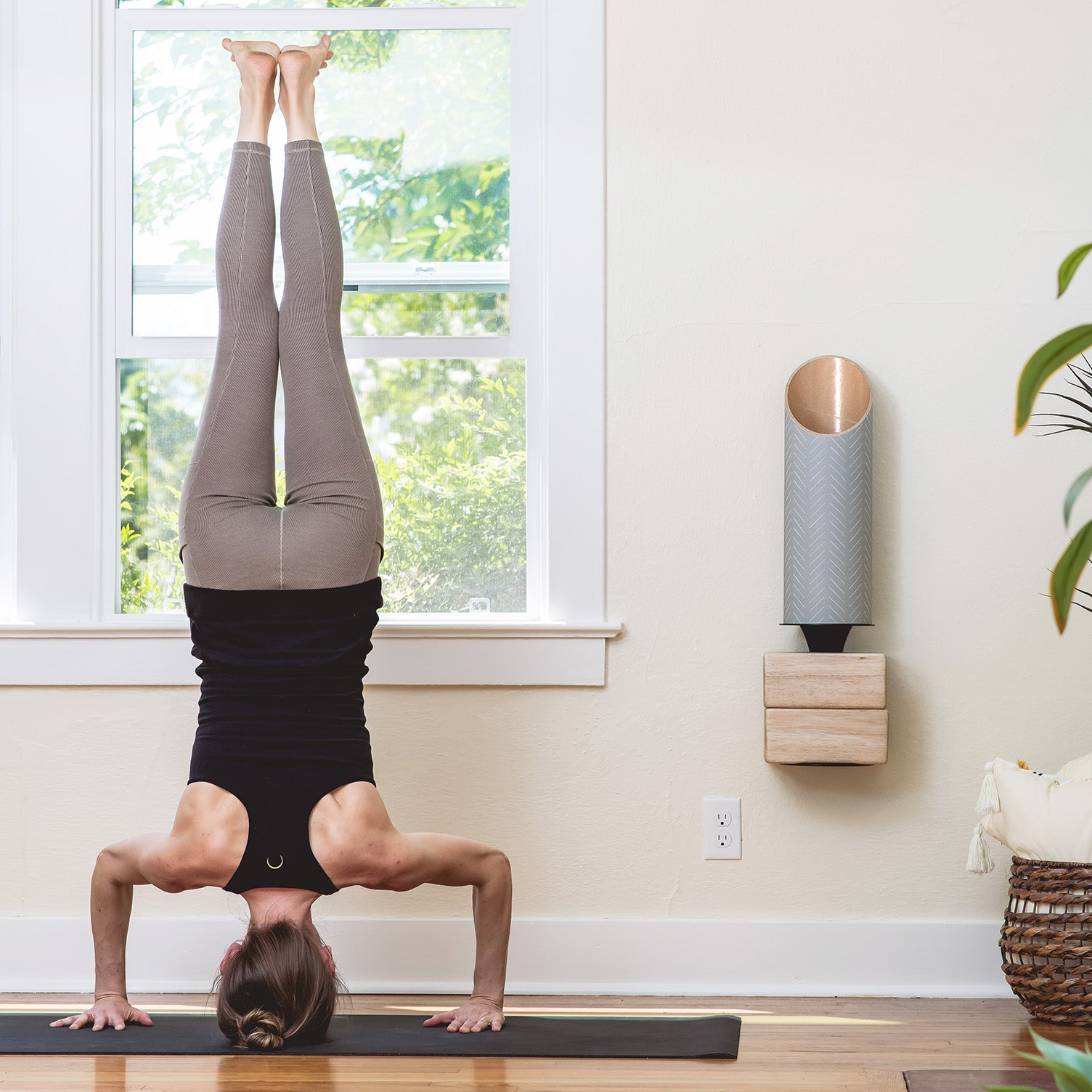
And whenever you're ready to build a home wellness space that holds all of this — the rituals, the altar, the breathwork corner, the candlelit evenings — the Mache collection was designed for exactly that. Eco-conscious yoga and fitness storage in natural, non-toxic materials, made to make your practice beautiful, organized, and always within reach.
→ Explore the Mache collection: heymache.com
Brienne Derosier is a Design Professional and Sustainability Leader with a Bachelor of Architecture (Magna Cum Laude) and Master of Interior Architecture from the University of Oregon, and a Y-Combinator Accelerator graduate. She is the founder of Mache, an eco-conscious yoga and fitness storage brand, and Mache Wellness Design Studio, a boutique wellness and architectural interiors firm. Her design philosophy — Where Wellness Meets Design — has informed over two decades of work across luxury residential, commercial, and wellness-focused spaces.