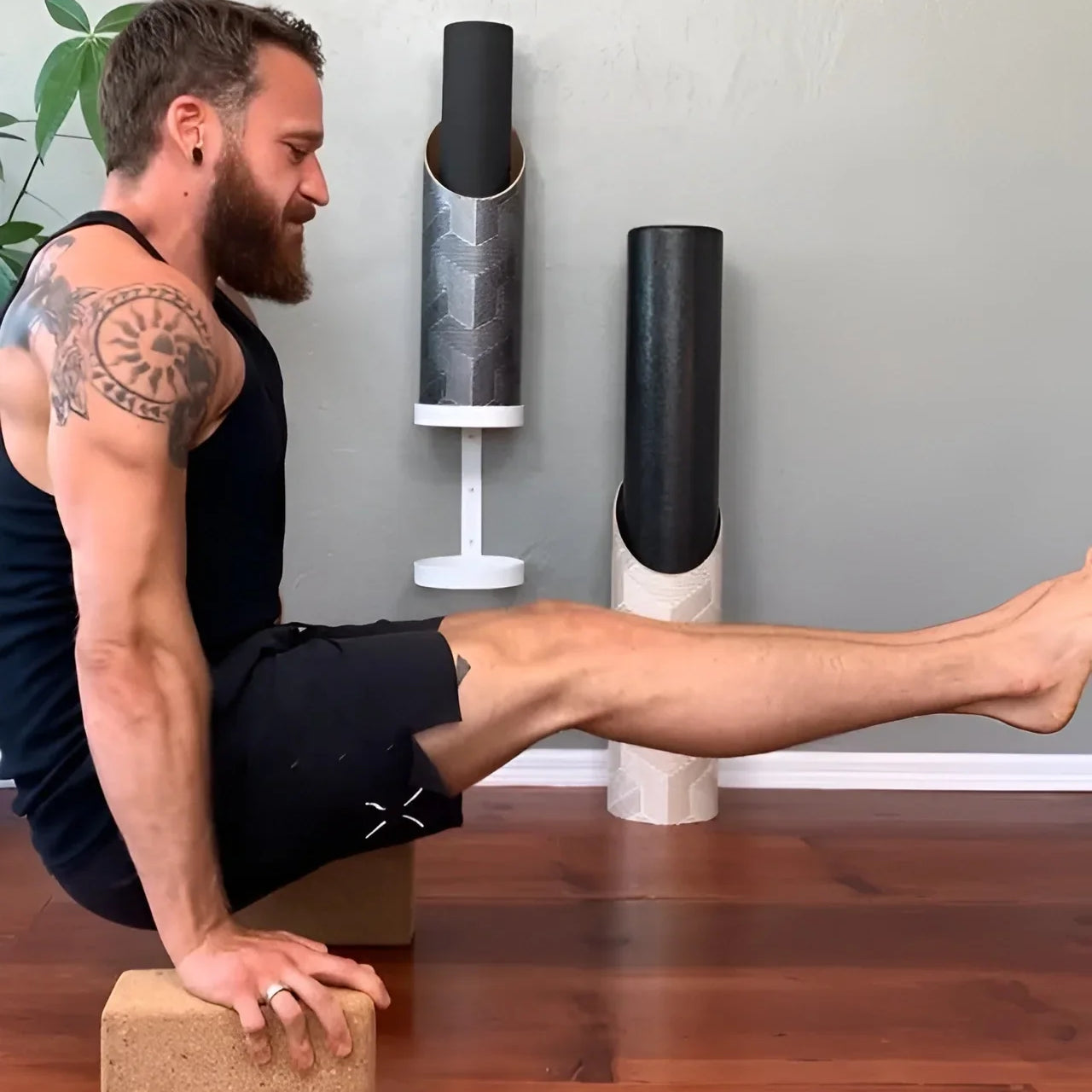


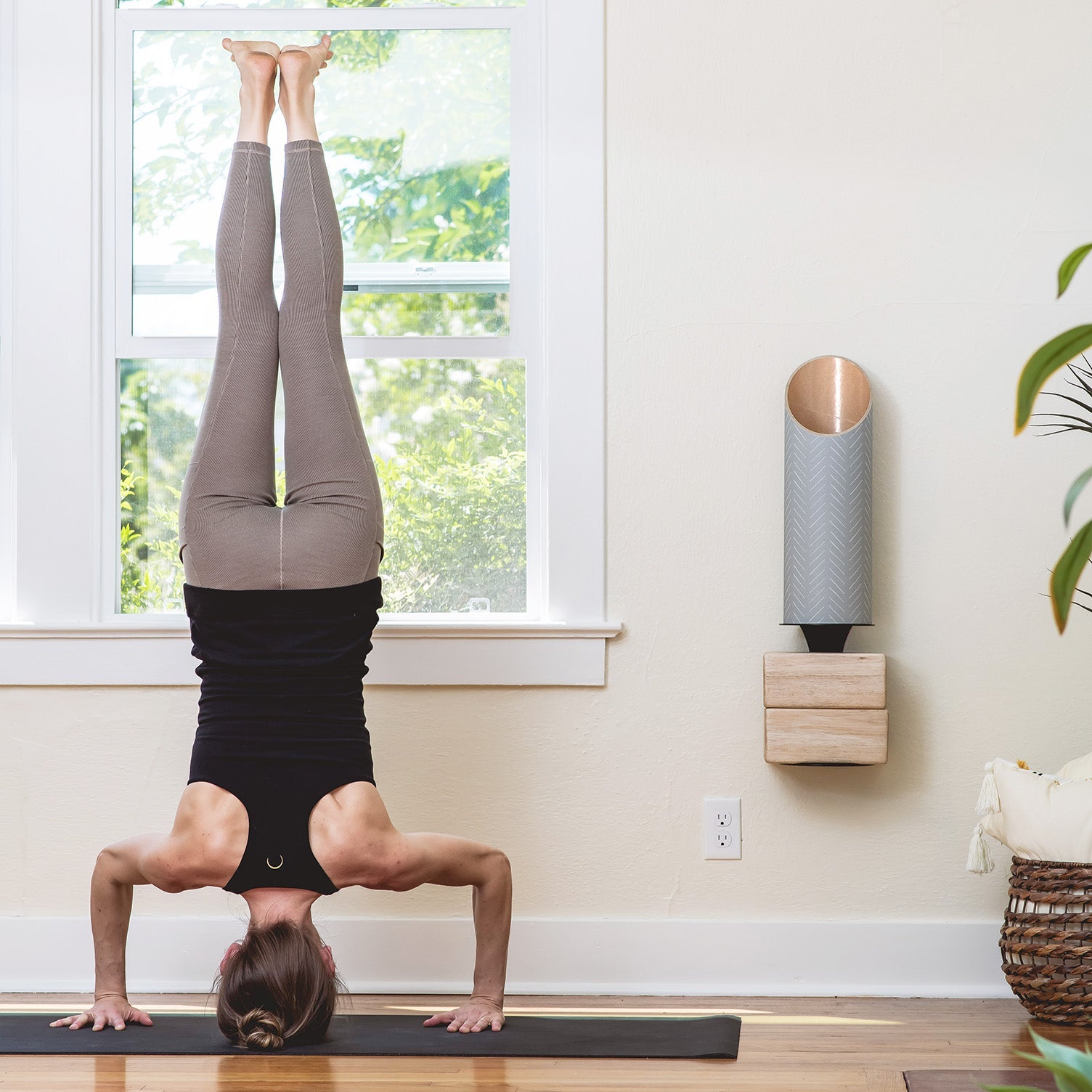


You have decided to be your fittest version. To accommodate it, the shopping begins, but there is a yoga mat for everything: yoga, Pilates, stretching, workouts. Then there are blocks, and straps, and the list goes on. But do we really have to buy it all? Can we not do all fitness practices on the same mat?
Yes, one mat can work for yoga, Pilates, and stretching. The key is choosing a mat with enough grip for standing poses, enough cushioning for floor work, and enough space to move comfortably. It doesn't need to be the most expensive or the thickest.
In this guide, we'll explore what makes a yoga mat for Pilates the perfect choice for all the exercises we practice.
What Makes Yoga, Pilates, and Stretching Different?
You may be wondering why there are different mats for different activities. It mostly comes down to how you move during each activity.
Vinyasa Yoga
You are mostly doing standing poses, balance, and transitions, which require good grip and stability.
Pilates
You are doing controlled movements, floor exercises, and core-focused sequences. Since you may spend more time on your back or knees, good cushioning and comfort can make longer sessions feel much better.
Stretching
It may involve poses like seated, reclined, or gentle movements. While doing that, you need comfort and good support.
Because these practices overlap, one well-designed mat can work across all three when its grip, cushioning, firmness, and size suit your routine.
The Features That Matter in a Multipurpose Mat
For a yoga mat to work across different practices, there are a few features worth paying attention to:
Grip
Good grip helps you stay steady during standing yoga poses, gives you stability through transitions, and keeps the mat from sliding underneath you.
Thickness
Thickness can make a big difference when you are using one mat for different practices. A thinner mat can give you a better connection to the floor, while a little extra cushioning can feel more comfortable during Pilates and stretching. Before choosing the thickness, think about what you do most.
Firmness and Density
Thickness tells you how much material is under you, but firmness affects how that material responds when you stand, balance, kneel, or lie down. For a multipurpose mat, look for enough cushioning for floor-based work without so much softness that standing poses feel unstable.
Material
Material is one of the most important things to consider, especially when you plan to use your mat regularly. A mat that wears out quickly may need replacing more often, which means more spending and more waste.
Instead of choosing a mat just because it is inexpensive, consider what it is made from and how well it fits your routine. Natural rubber, cork, textile, and other well-made materials can offer different levels of grip, comfort, durability, and ease of care.
The material also affects how the mat feels and how much maintenance it needs, so choose one you can comfortably care for over time.
Your height and movement style should guide the size, too. If you are tall, you should prefer longer mats. If you do larger movements, choose the mat with more surface area.
Choosing the Right Mat Based on Your Practice Style

A yoga mat becomes multipurpose based on how you plan to use it. So, before you buy one, note down which practice takes up most of your time.
If You Mainly Practice Yoga
Go for a mat with good grip, steady footing, and enough stability to move comfortably between poses. This matters especially if your practice includes plenty of standing poses and balances.
If You Mainly Practice Pilates
Pilates includes plenty of floor-based movement, including work on the back, side, knees, and hips. That makes cushioning and comfort more important than they may be during a standing-focused yoga practice. A little extra padding can feel especially nice when you are spending more time on your back or knees.
If You Mainly Stretch
Comfort should come first. Look for a soft, comfortable texture, enough cushioning, and easy storage so you can roll it out whenever you want to stretch.
If You Do All Three
Look for a versatile exercise mat that gives you a good mix of grip, cushioning, comfort, and easy care. Most importantly, choose one you will actually enjoy using regularly.
Once you know which activities you’ll be practicing, choosing the right yoga mat becomes much easier.
How Mache Mats Fit Into a Multi-Practice Routine

Choosing sustainability is part of fitness. Durable, hygienic, and soft materials also support sustainability. Mache's yoga mat collection includes materials such as natural rubber, cork, and textile options, giving you different surfaces and feels to consider. You can choose the material that suits your practice.
Cork and Rubber Mats
A cork surface paired with natural rubber gives you a natural texture with a firm, stable feel. It can be a good choice if you like a more grounded surface for your practice.
Natural Rubber Mats
If grip is a priority, natural rubber is another option to consider for regular movement and yoga practice.
Herbal Cotton or Textile Mats
These offer a softer, more textile-like feel and may suit gentler practices such as stretching.
Whether you need a yoga mat for Pilates, yoga, or stretching, the right surface should feel comfortable, support your movements, and be something you will keep using.
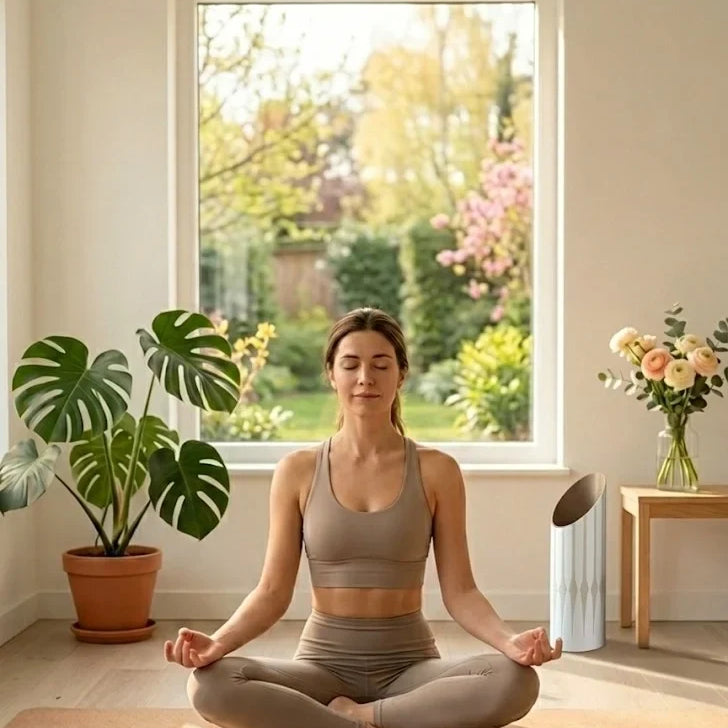
At Mache, the things we use for wellness are part of the spaces we live in. A yoga mat isn't just something you roll out for an hour. It becomes part of a room, a routine, and the way you move through your day. That is why material, comfort, care, durability, and storage all matter when choosing a mat.
The goal is to choose a mat that supports your practice while aligning with the materials and values you want to bring into your home.
Common Mistakes When Choosing One Mat for Everything
While choosing a mat, it is easy to go for the look of it, and that’s the first mistake. Apart from looks, here’s what you must not neglect:
-
Picking the Thickest Option: More cushioning does not always mean more stability.
-
Ignoring the Material: Check what the mat is made from and how it needs to be cared for.
-
Choosing One That is Hard to Clean: Regular use means regular cleaning.
-
Buying Before Knowing Your Routine: Figure out how you move before adding more equipment.
-
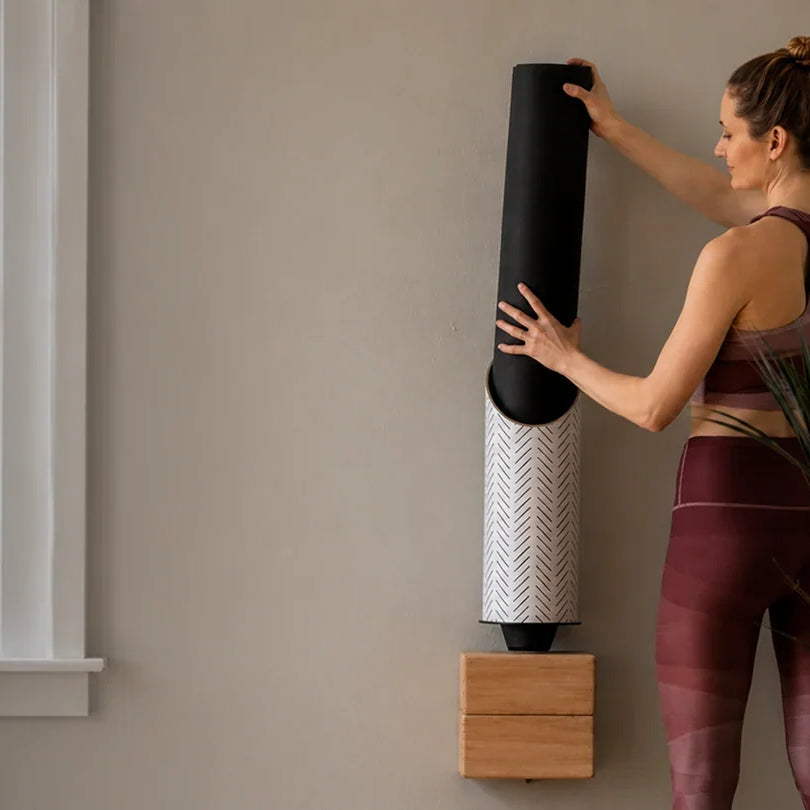
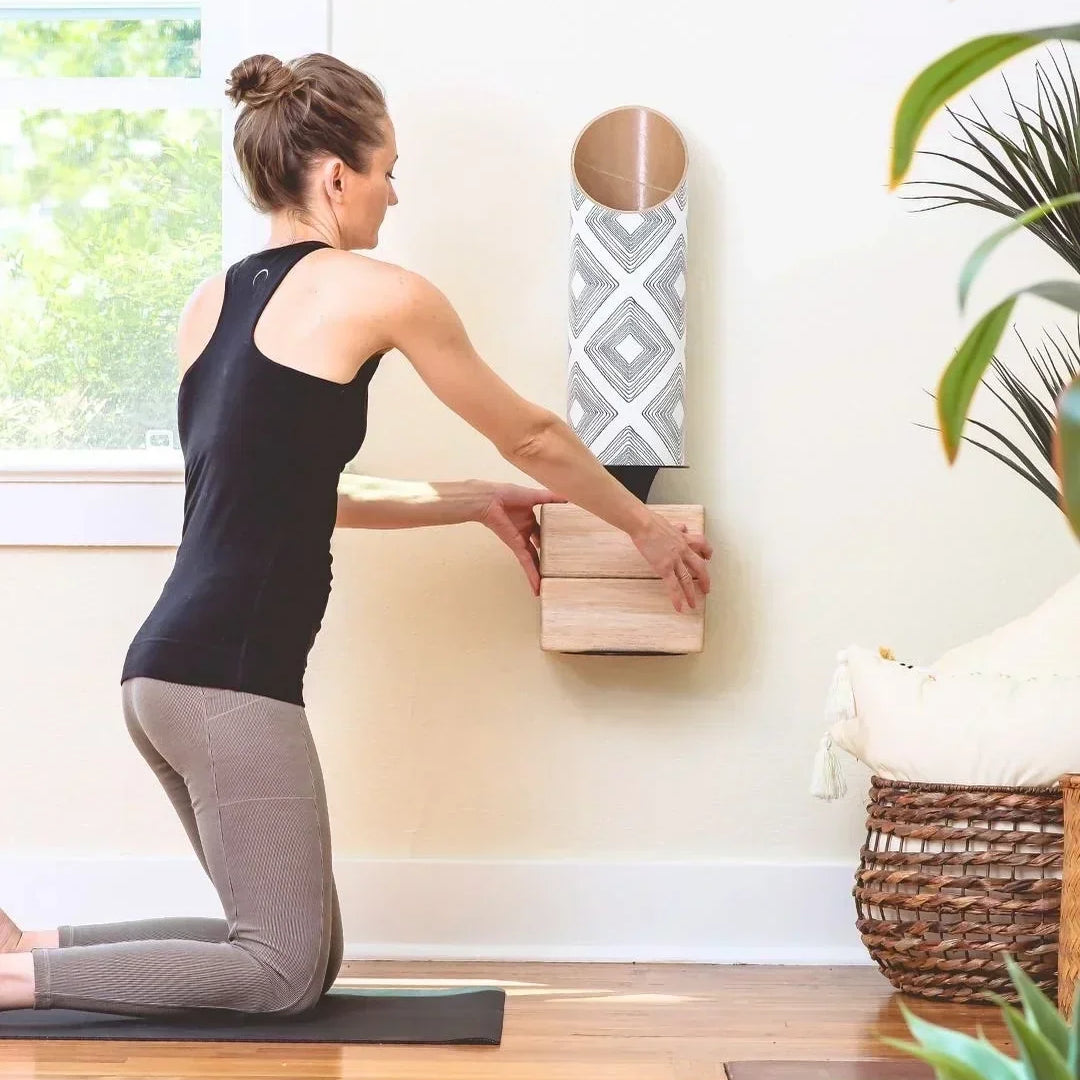
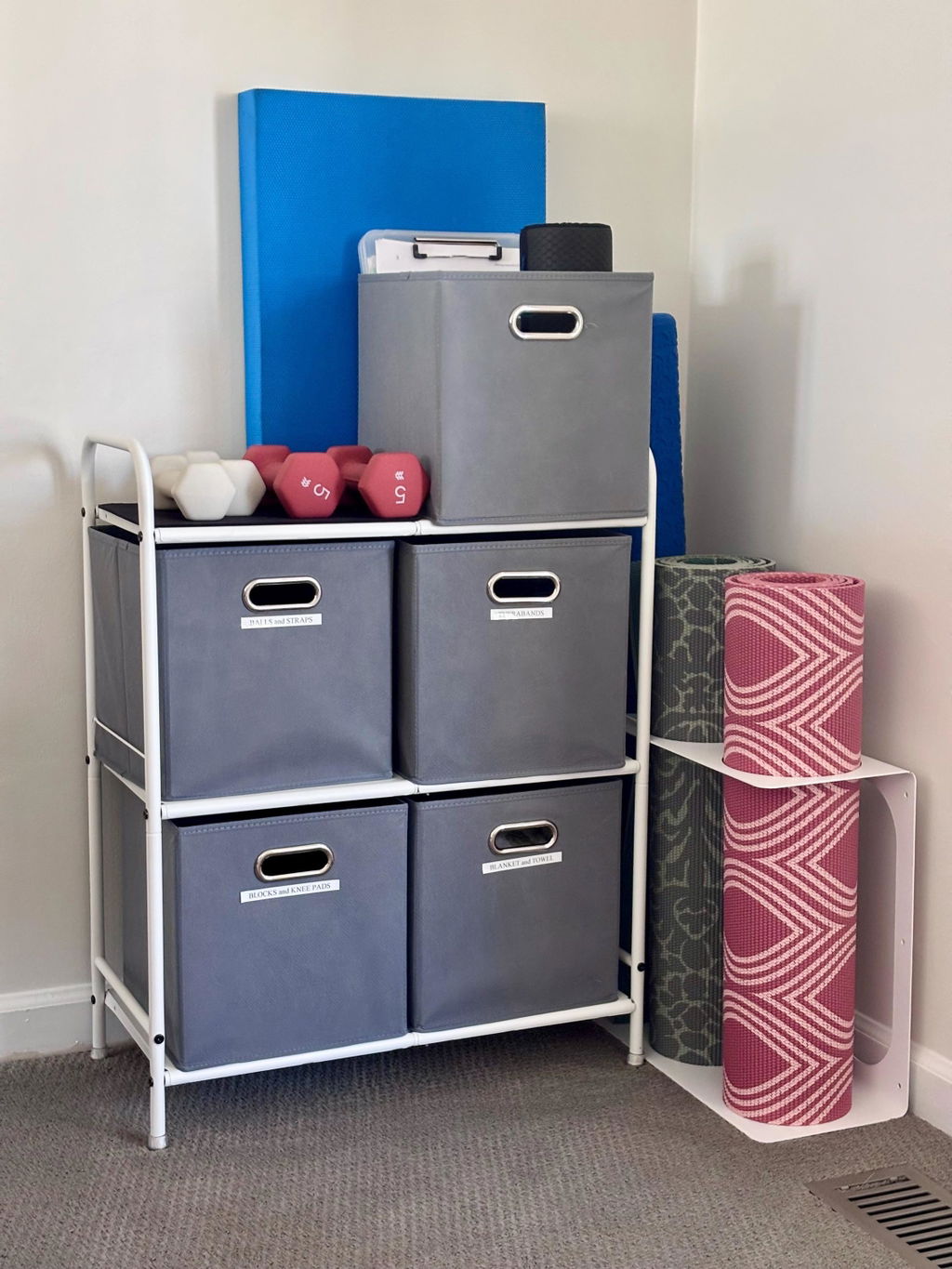
Forgetting Storage: A mat that has a proper storage place is easier to keep and use.
You don't need a different mat for every practice. Start with the way you actually move, then choose the material, cushioning, grip, and size that support that routine. Choose the right material, features, and fit for your routine.
For Mache, thoughtful wellness starts with making choices that work in real life. A mat you enjoy using, caring for, and keeping in your space can become part of a practice you return to again and again.


FAQs
Can I use a yoga mat for Pilates?
Yes. A suitable yoga mat for Pilates can work well for many Pilates movements, as long as it gives you enough cushioning, stability, and space to move comfortably.
Is a Pilates mat different from a yoga mat?
They can differ in thickness, cushioning, texture, and how they are designed to be used. When comparing a Pilates mat vs. a yoga mat, consider the movements you do most and what feels comfortable for your body.
What is the best mat for yoga and stretching?
Choose a mat that balances grip, cushioning, comfort, and a material that suits your practice. Your preferred thickness and texture also matter.
Do I need a separate workout mat?
Not necessarily. If one versatile mat works comfortably for yoga, Pilates, and stretching, you may not need another.
One Mat, More Ways to Move
If yoga, Pilates, and stretching are all part of your routine, one well-chosen mat can go a long way. What matters is choosing the right material, cushioning, grip, and size for the way you actually move.
Becoming your fittest self doesn't have to mean buying more. Sometimes, it simply means choosing better and making what you have work right for you.
Explore Mache’s collection of thoughtfully designed mats, accessories, and storage to find pieces that fit your practice, your space, and your everyday routine.