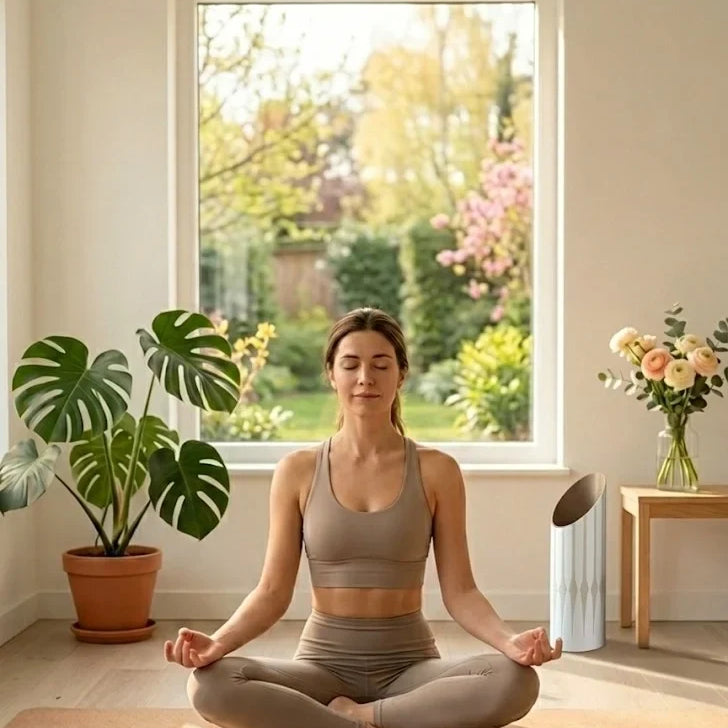




You may have seen one tucked beneath someone’s spine in a restorative yoga class, or supporting the knees in a practice video, and wondered what exactly it is. It is a yoga bolster.
A yoga bolster is a firm, supportive cushion designed to elevate, cradle, or steady the body during a pose. Unlike a regular pillow, it is made to hold its shape and provide consistent support under the spine, hips, knees, chest, or legs. Often used in restorative, yin, prenatal, and gentle practices, a bolster can make a home practice feel more supported.
In this guide, Mache explores how to use a bolster, beginner-friendly poses to try, and what to consider before choosing one for your practice.
Why a Bolster Belongs in a Home Practice
For home practice, a bolster makes floor-based sessions more comfortable and provides steadier support for longer holds. It makes rest poses more intentional.
However, the yoga bolster used for home practices is less about achieving a deeper stretch. It is more about helping the body feel held. It softens the bridge between movement and stillness, making a home practice corner feel complete rather than half-finished.
When to Use a Bolster in Your Practice: Beginner-Friendly Poses to Try
If you are a beginner, you can add a bolster to your yoga practice if you are looking for something that supports your spine in reclined poses, lifts the hips in seated positions, cushions the knees during rest, and supports the chest in gentle forward folds. If you enjoy practices like elevating the legs or grounding Savasana, investing in a bolster can be useful.
Supported Child’s Pose
Place the bolster lengthwise under your torso and fold forward over it. Turn your head to one side, switching halfway through if you stay in the pose for several breaths.
Reclined Heart Opener
Lie back with the bolster along your spine. Keep your knees bent or supported as needed, and let your body settle into the support without forcing a deeper shape.
Supported Savasana
Place the bolster under your knees while lying on your back. This gives your legs somewhere to rest and may make the position feel more comfortable.
Seated Forward Fold Support
Place the bolster over your legs and allow your torso to rest on it. Fold only as far as feels easy.
A restorative yoga bolster should support your body without forcing it into a pose. If you feel pinching, strain, or pain, adjust your position or come out of the pose. You do not need to push through.
For more restorative sequences, Yoga Journal's restorative yoga guides are a useful resource.
How to Choose a Yoga Bolster for Your Practice

If you are buying a yoga bolster for the first time, there are a few practical details to check first: shape, firmness, materials, and fit for your routine.
Go for a rectangular bolster if looking for stability and even support. A round design can provide more lift for certain poses.
Firm fillings are better at holding their shape without feeling uncomfortably hard. Also, look for a bolster that has good cover material. For home practice, a soft cotton material is important, while wipeable covers can be useful in hot yoga settings.
Also consider how easily the bolster can be cleaned, how much it weighs, and whether you need to carry it regularly. Its appearance and storage requirements matter at home as well.
Mache’s eco-friendly yoga bolster collection includes cotton-covered, wipeable-cover, and natural cork options, giving you different materials to compare when choosing a yoga bolster that fits your practice and supports a more eco-conscious approach to the products you bring into your home.


How to Store a Bolster Without Creating Clutter
A bolster can be one of the most useful props in a practice, but it is also one of the bulkier ones to store. If you use it often, keep it close to your practice area so it remains easy to reach.
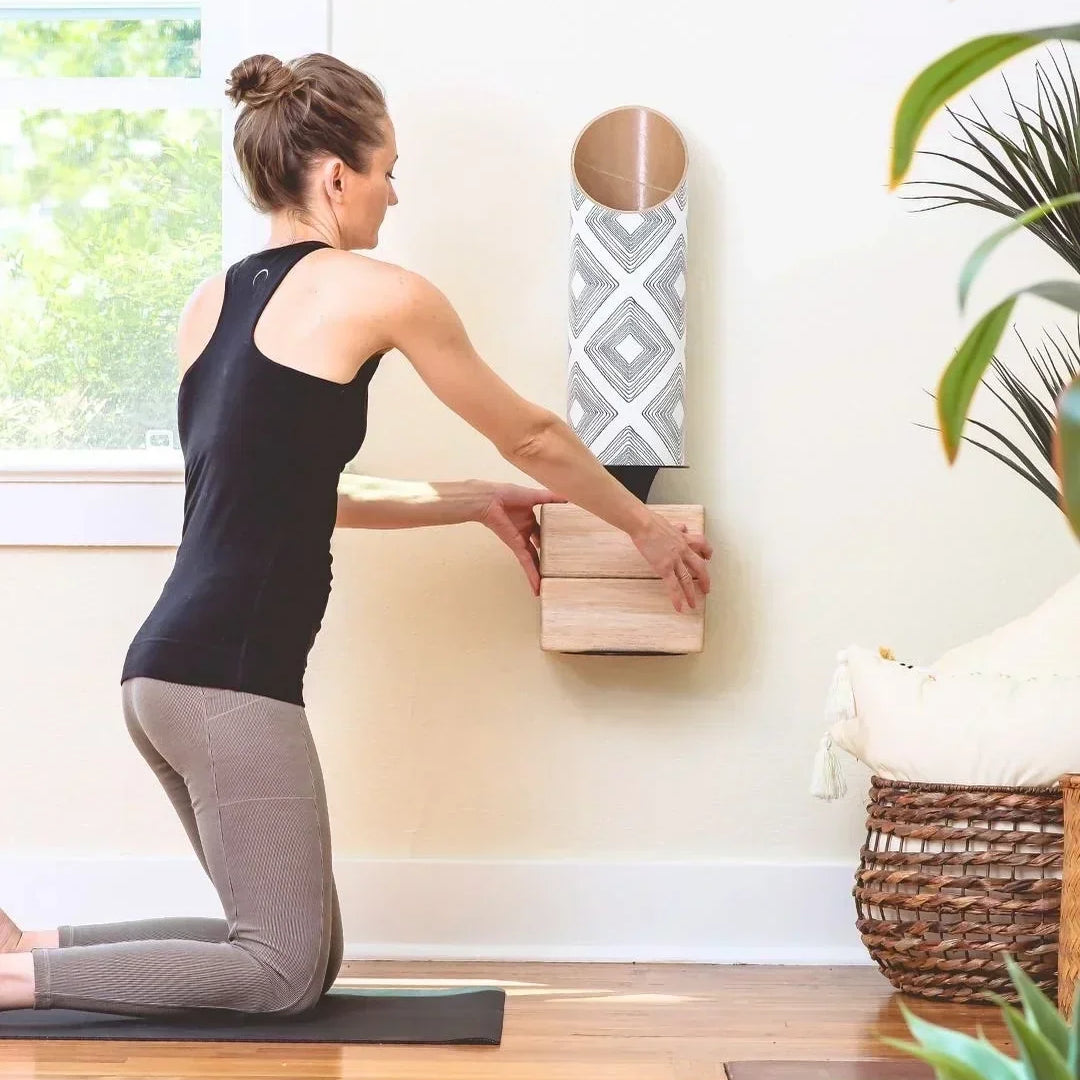
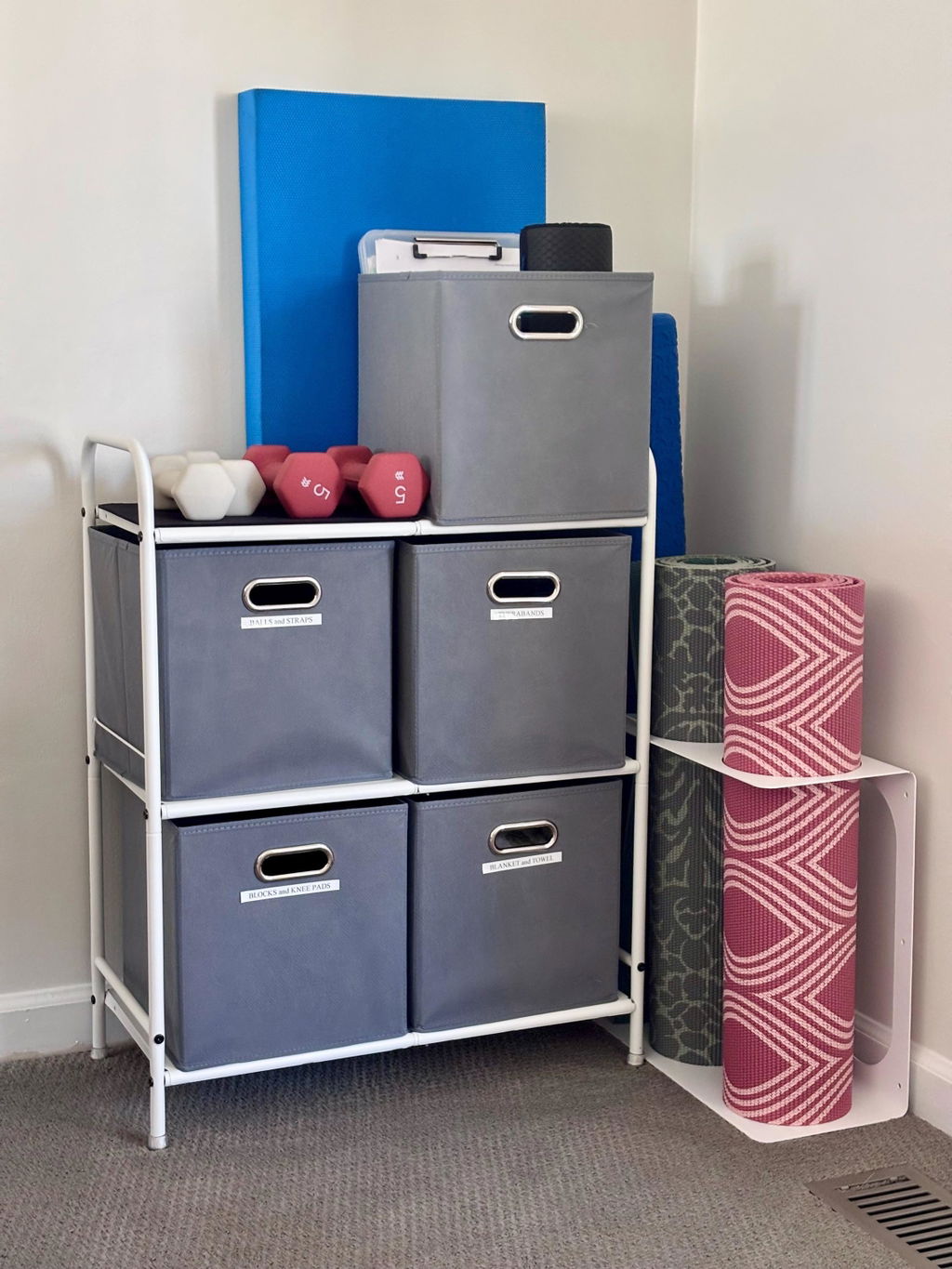
Avoid squeezing it into an overfilled closet where it may lose its shape or simply be forgotten. When floor space is limited, wall storage can keep it accessible without adding to the clutter. In a studio, props should be stored where students can reach them without creating bottlenecks. Alongside, durable, thoughtfully made materials can help reduce the need for frequent replacement.
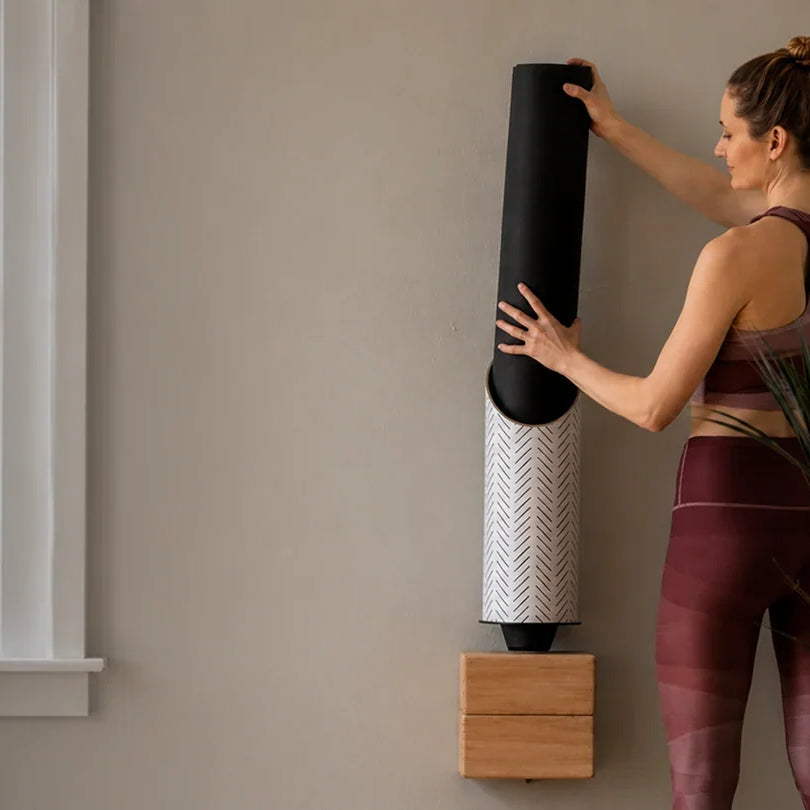
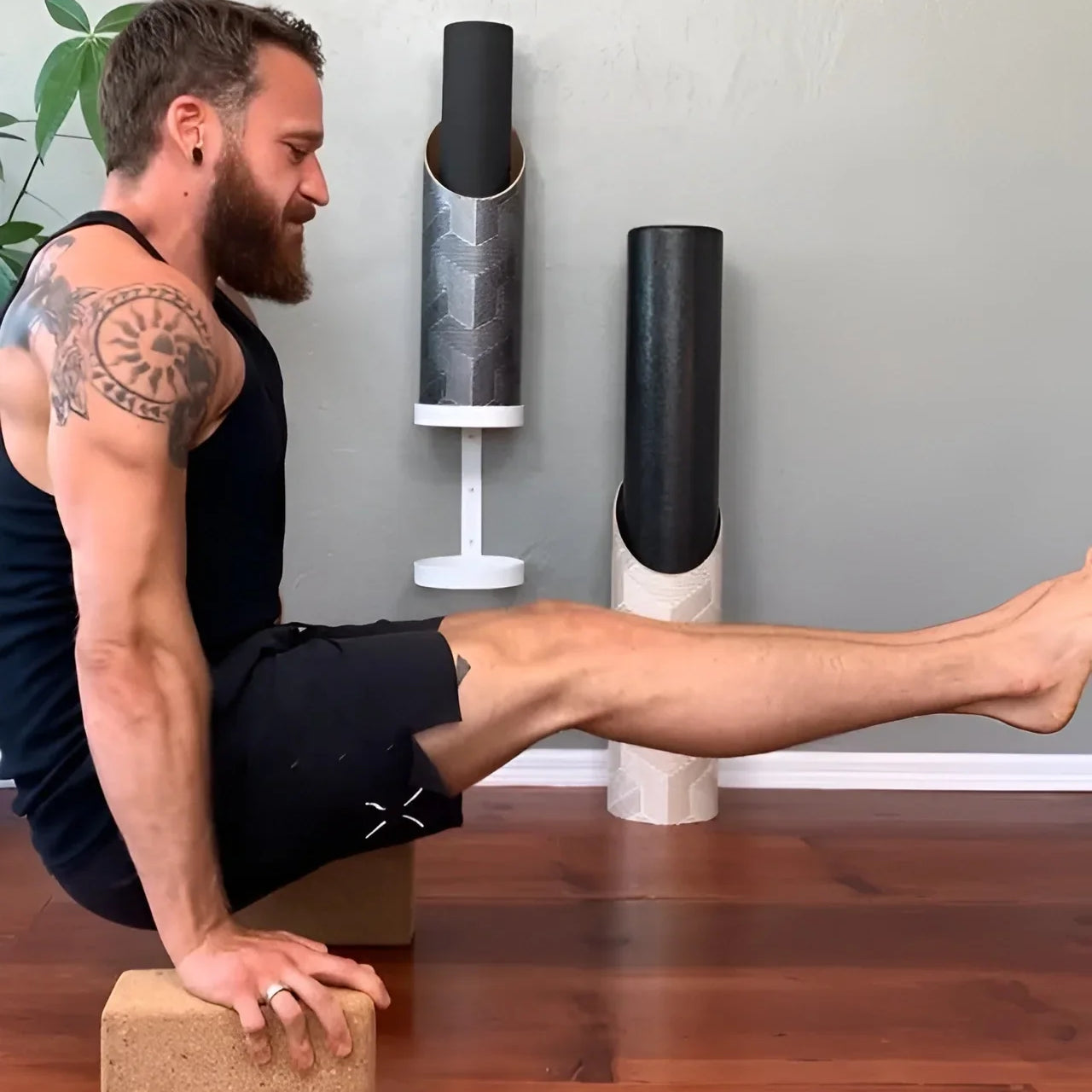
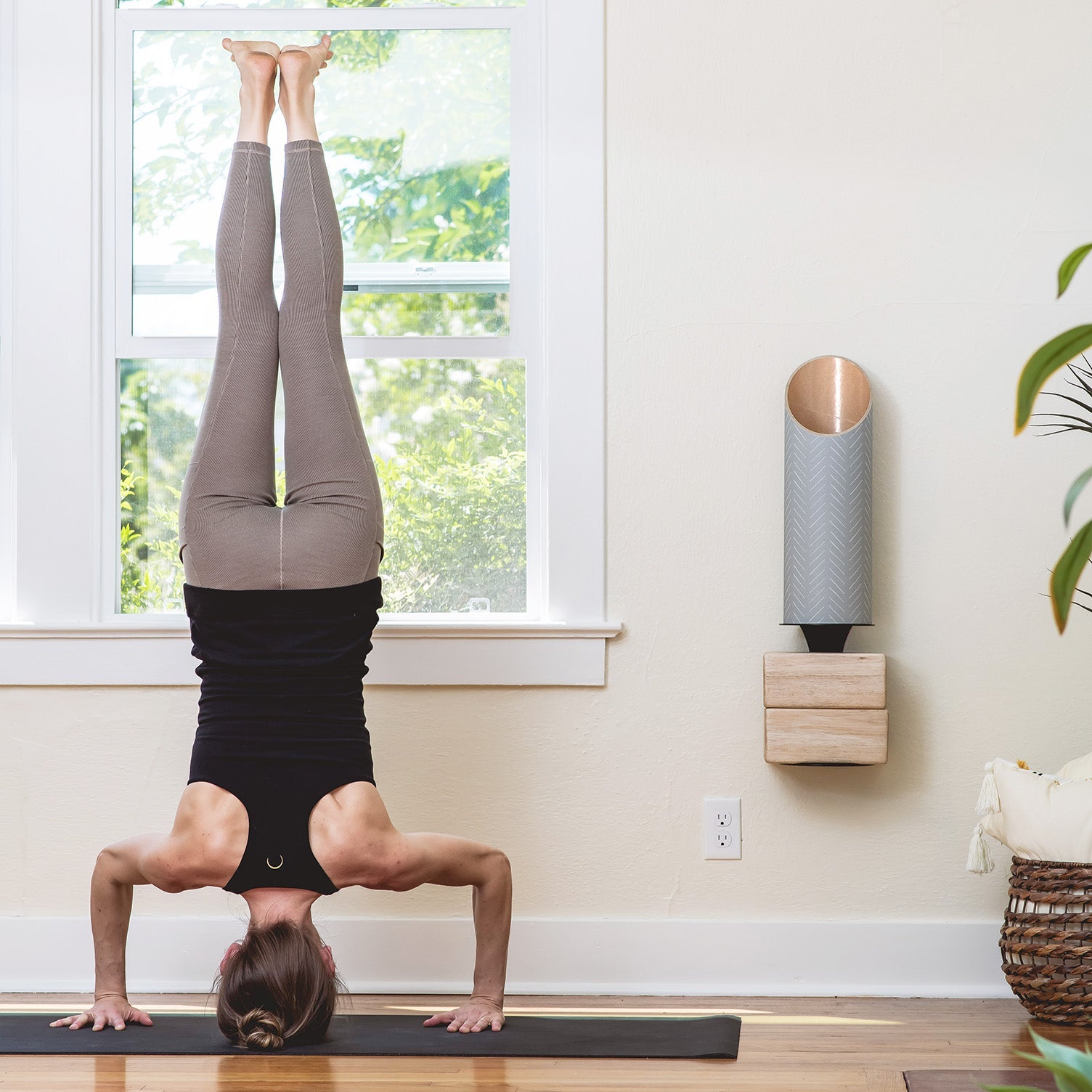
Mache’s StackRack comes in 2-hook and 4-hook lengths and accommodates most yoga mats, rectangular bolsters, and foam rollers, making yoga bolster storage part of a more complete practice zone. This approach to yoga bolster storage also keeps mats, blocks, and other props together.
Common Beginner Mistakes to Avoid
The first yoga bolster you choose does not have to be perfect. It simply needs to suit the way you practice. A few things are worth considering:
-
Overlooking material content when buying a bolster
-
Ignoring care instructions for cotton, cork, or wipeable covers
-
Choosing the softest option instead of one firm enough to hold its shape
-
Using a regular pillow and expecting the same stable support
-
Pushing into a pose because the prop is there
-
Choosing a bolster without considering where and how it will be stored
-
Keeping it so far away that using it becomes another task
The best prop is often one that fits naturally into both your practice and your space. When it is easy to use, reach, and care for, returning to your mat becomes easier too.
Where Mache Fits In

Mache enters the practice at the point where a yoga prop becomes part of everyday life. The best yoga bolster is not only supportive during a pose. It should also have a place in the room, fit the way you practice, and feel natural to reach for.
Mache’s eco-friendly yoga bolsters, sustainable props, and StackRack storage bring those layers together, helping a practice corner feel considered rather than crowded. For beginners, choosing the best yoga bolster can mean finding one that is easy to use, store, and keep in the rhythm of daily life.
A yoga bolster should support the practice and the space around it.
FAQs
Do beginners need a bolster for yoga?
Not necessarily, but it can make restorative, yin, and floor-based practice feel far more supported. It can be essential to those that are feeling stiff or inflexible on the mat.
Can I use a pillow instead of a bolster?
You can start with a firm pillow, though a dedicated prop usually holds its shape more reliably, which is key with a supportive prop.
What shape is best for beginners?
Rectangular is often the easiest starting point, since it feels stable in many beginner yoga bolster poses and allows for a generous area upon which to sit.
How do I store bulky yoga props at home?
Vertical or wall storage works well when floor space is limited, especially if you're storing yoga mats, foam rollers, and bolsters together.
A Practice That Has Room to Grow
A bolster is more than another yoga prop. It can give your body somewhere to rest, make supported poses feel more comfortable, and help you settle into your practice without forcing yourself into a deeper shape. The right bolster should also fit naturally into your space, where it is easy to reach and simple to put away.
Start with what your practice needs most: comfort, support, or a better way to use the space around you. Over time, these small choices can shape a practice that feels easier to return to and naturally woven into daily life.
Explore Mache’s eco-friendly bolster options and storage designed to make your yoga practice feel more supported, approachable, and easier to return to.