



You are lying face down in Child’s Pose, your cheek close to the mat, taking a slow breath. Then, for no particular reason, you wonder what you are actually breathing next to. What is the mat made of? Why does it smell the way it does? What gives it that particular texture?
Those questions are worth asking when your mat is something you touch, breathe close to, and return to several times a week. Choosing a non-toxic yoga mat does not need to become an exercise in panic or perfection. It can simply mean looking more closely at the materials, additives, adhesives, coatings, and care instructions behind the product. A toxic yoga mat is not a useful label to apply casually to every synthetic mat.
This blog offers a better approach to understanding what you are buying and to choosing a material that fits your practice, home, and values.
What Does a Non-Toxic Yoga Mat Really Mean?
A non-toxic yoga mat sounds reassuring, but it is also the most confusing term. Because the phrase itself does not guarantee that a product contains no harmful ingredients. Every material is made of chemicals. So no product can honestly be completely chemical-free.
So, what to do instead? Look closely at what the mat contains. Does it use PVC, synthetic rubber, foam, adhesives, or coatings? Does the product page explain its materials, care instructions, and allergy warnings?
If you are searching for a chemical-free yoga mat, you may want to avoid certain materials or additives. That is a more useful place to begin. Consider how the mat fits your practice, your space, your care routine, and how long you expect to use it.
Chemicals and Materials to Question Before You Buy
PVC, or polyvinyl chloride, is a type of plastic used in most yoga mats. Manufacturers may add plasticizers such as phthalates to make PVC softer and more flexible, making the resulting product even more toxic, thereby earning the nickname “the poison plastic”.
The U.S. Environmental Protection Agency lists phthalates among chemicals of concern and notes their use in PVC products. When shopping for a PVC-free yoga mat, ask: what materials and additives does this mat contain? The same applies to synthetic rubber and foam blends.
If a product uses broad terms such as “natural” or “eco-friendly” without explaining its materials, look for clearer information before buying.
What to Buy Instead: Better Yoga Mat Materials to Consider

Beyond PVC, if you are looking for better options, you can go for the following options:
Natural Rubber
A natural rubber yoga mat can offer the grip, cushioning, and traction many practices need. Mache carries natural rubber options from brands including JadeYoga and Hugger Mugger. Its Para Rubber Mat is made from natural rubber and includes a latex allergy warning, while another natural rubber option is listed as free of PVC, EVA, and synthetic rubber.
Cork and Rubber
Cork offers a naturally textured surface that can work well for sweaty practice. Mache’s cork and rubber mat combines sustainably harvested cork with natural rubber and is made without PVC. Natural rubber can have a strong smell and will off-gas for the first few weeks; however, unless you're allergic to latex, it's not toxic or harmful.
Herbal Cotton or Textile Mats
For a softer, fabric-like feel, herbal cotton and textile mats offer another option. They may suit someone who wants an eco-friendly yoga mat with a gentler visual presence and a material that feels different from traditional rubber or foam.
Remember, there is no single material that works for everyone in the same way. When choosing a yoga mat, consider what your practice actually needs. If you sweat a lot, grip may be the most important factor. If you prefer gentle or restorative yoga, texture and comfort may matter more. The right option is the one that feels good under your hands and feet and is easy to care for.


Quick Comparison: Mat Materials at a Glance
A natural rubber yoga mat is well-suited to daily practice when you want grip and cushioning. Cork and rubber are worth considering for sweaty or hot yoga, while herbal cotton and textile mats may work well for gentler practice and lower-plastic homes. If you are considering PVC or foam, check the full material list, additives, odor, care instructions, and sustainability claims.
The best eco-friendly yoga mat is one whose materials and maintenance suit how you actually practice.
How to Read a Yoga Mat Product Page Before Buying
When you find a mat you like, do not stop at the pictures. Take a minute to read the product page. Check what the mat is made from, including whether it contains PVC, EVA, or synthetic rubber.
If the description mentions coatings or adhesives, take a look at those details too. Then check the cleaning instructions, latex allergy warnings, thickness, weight, and country of manufacture. It also helps to look for specific sustainability claims and consider how durable the mat is likely to be.
Mache’s current plastic-free yoga mat collection makes it easier to compare natural rubber, natural cork, cork and rubber, rubber and mushroom, and herbal cotton and textile options.
How Mache Helps You Choose More Thoughtfully

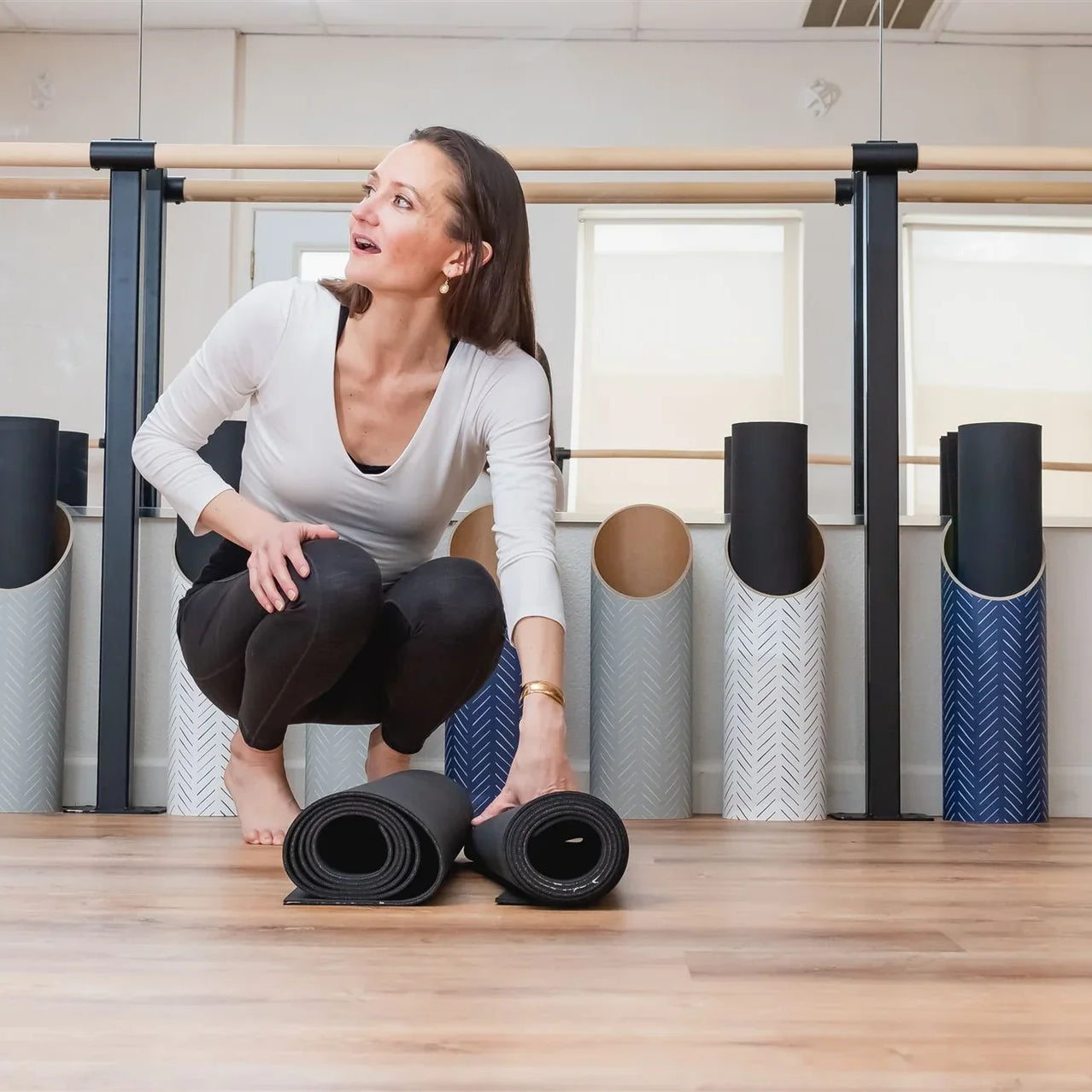
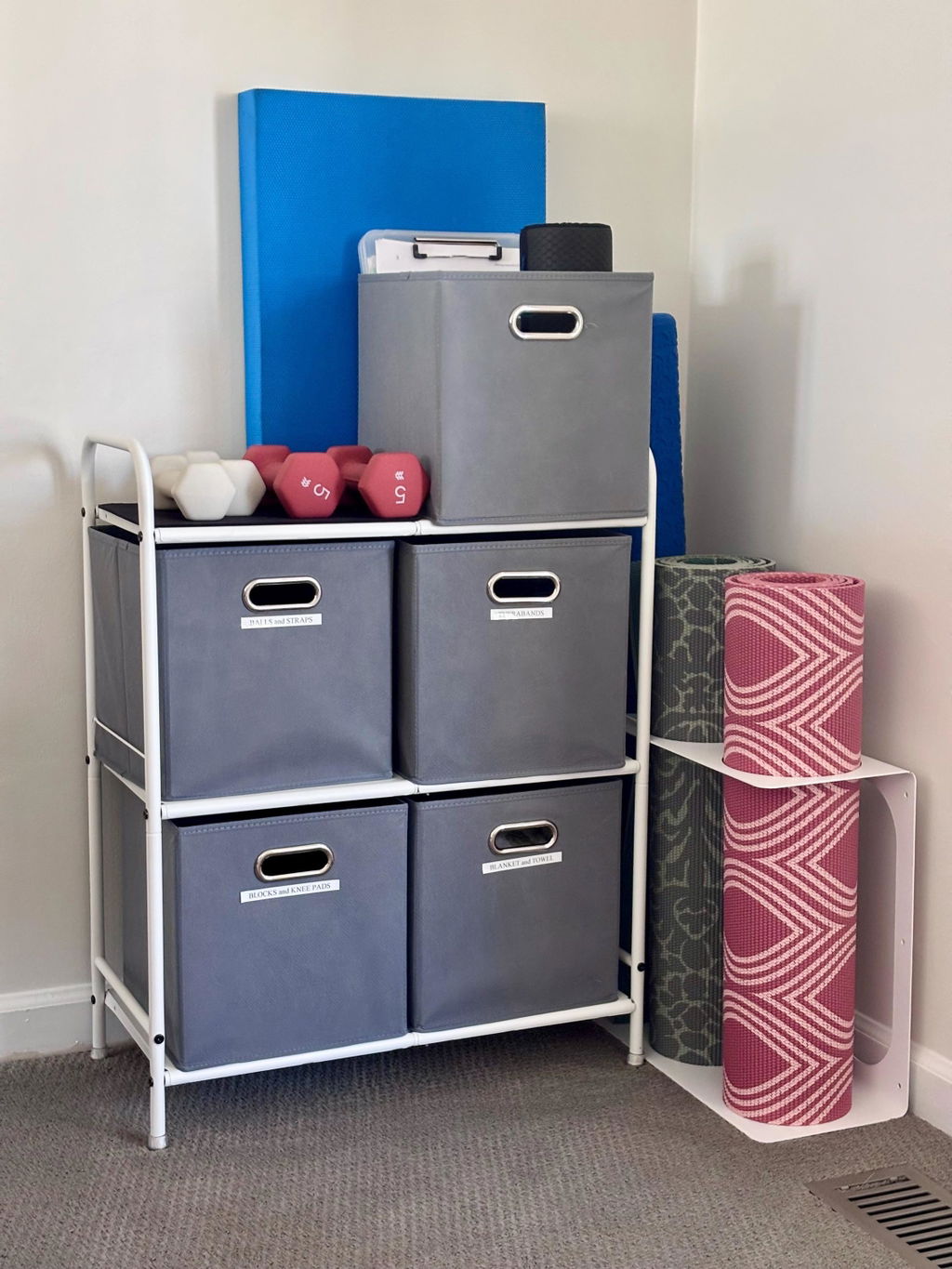
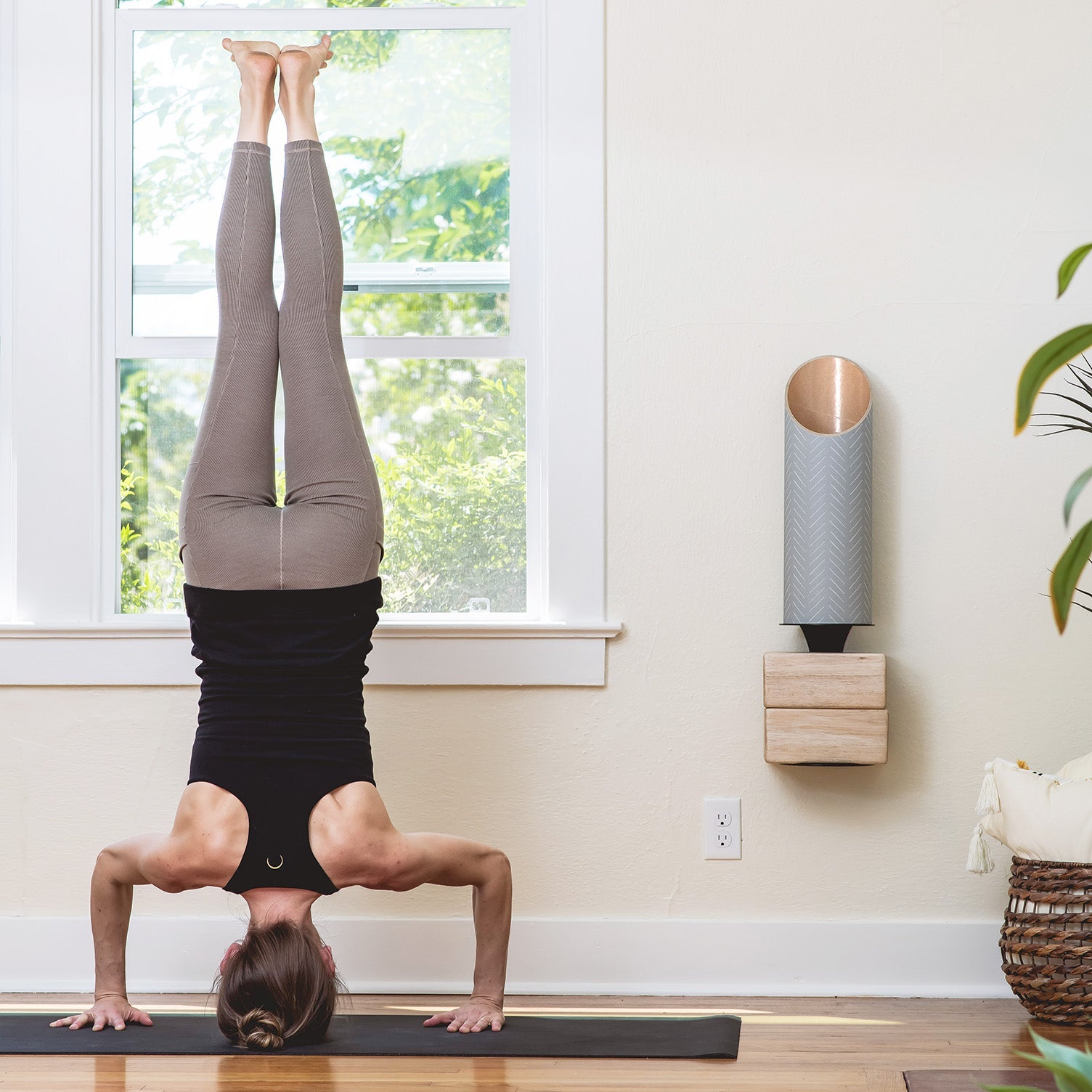
Once you start paying attention to what your yoga mat is made of, Mache gives you more materials to compare. Its collection includes plastic-alternative mats made from natural rubber, cork, fabric, and other materials, as well as yoga mat sprays and storage for your everyday tools.
The idea is simple: your non-toxic yoga mat should not be considered separately from how you care for it or where you keep it. Mache brings those choices together, helping you create a practice space that feels thoughtful, functional, and easy to live with.
FAQs
Is a non-toxic yoga mat really possible?
The term depends on how it is used. Look for clear material information, PVC-free claims, natural surfaces, and straightforward care instructions.
Should I avoid PVC yoga mats?
PVC can involve additives such as plasticizers. If you want to reduce plastic in your practice, a PVC-free option may suit you better. Plus, as we discussed, it is the most poisonous plastic on the market, so…. Is that really what you want in your health and wellness routine? If there is no way around it and you already find yourself on a PVC mat, try not to leave it in a sunny window, hot car, or outside, as heating plastic can increase VOC outgassing into the air.
Are cork yoga mats good for hot yoga?
Yes, cork can become grippier when it gets wet. Check the mat's base material and care instructions before buying. Mache’s grip spray helps with using cork yoga mats in hot yoga.
Choose a Mat That Fits Your Practice
When we say that finding a completely “non-toxic” yoga mat is difficult, we are not saying that every other material is bad. The better question is whether you understand what your mat is made of and whether that material suits the way you practice. Consider the grip you need, how much you sweat, the texture you prefer, any allergies, and how easy the mat is to clean and store.
You do not need to find a perfect mat. Start by asking simple questions. What does it feel like beneath your hands? What does it smell like? How much grip do you need? Can you care for it easily? Will you actually want to use it every day? Do you plan to practice indoors or outside, or both?
Explore Mache’s collection to find a non-toxic yoga mat that suits your practice, your space, and your wellness routine.