



You have probably seen a yoga strap lying beside the blocks and bolsters in a yoga studio. Maybe you have even picked one up and wondered what to do with it. Is it for people who are not flexible enough to reach their feet? Or do advanced practitioners use it to make a pose more challenging?
A yoga strap is essentially a long, flexible band that helps extend your reach, support your body, and create steadier positions in certain poses. Learning how to use a yoga strap can give your hands a little more reach, your body more support, and your practice another way to explore a pose. So, if you are a beginner practicing yoga at home or an advanced yogi trying to refine alignment, this guide is for you.
At Mache, we think of practice tools as part of the space around the ritual. When they are visible, useful, and made with care, they become easier to return to layer by layer.
What Does a Yoga Strap Do? And How Can You Use It Safely?
A yoga strap gives you something to hold when your hands and feet do not quite meet. It can extend your reach in a hamstring stretch, create a steadier connection in a shoulder opener, or help you hold a position without gripping or forcing. Beginners may use it to make certain poses more accessible, while experienced practitioners can use it to refine alignment and control.
Before trying yoga strap stretches, adjust the strap so it feels secure without creating unnecessary tension. Keep breathing naturally, maintain a steady hold, and leave room for your joints to move. If a stretch feels sharp, painful, or unstable, ease out of it. Check that the buckle or loop is secure before pulling against the strap, and start with gentle tension and shorter holds.
7 Yoga Strap Poses for Beginners and Advanced Practitioners

A yoga strap is most useful when it helps solve a specific problem, such as reaching your foot, providing support, or improving balance. Try the following poses that suit your practice and move gradually from simpler setups to more demanding ones.
1. Reclined Hamstring Stretch
Lie on your back, loop the strap around one foot, and extend the leg upward. Keep your shoulders relaxed and the opposite leg grounded or bent.
2. Seated Forward Fold
Loop the strap around your feet and hold both ends. Use it to keep your spine long as you fold forward without pulling yourself deeper.
3. Shoulder Opener
Hold the strap wider than shoulder-width and slowly move your arms overhead. Keep the grip wide enough to avoid forcing the movement.
4. Bound Angle Support
Loop the strap around your lower back and feet while sitting with the soles of your feet together. Adjust it to offer gentle support without pulling the knees inward.
5. Dancer Pose Prep
Standing near a wall, loop the strap around one foot and hold the other end. Lift the foot behind you while using the strap to work on balance and control.
6. Cow Face Arms
Hold the strap between both hands behind your back. Use it to bridge the space between your hands without pulling the shoulders together.
7. Extended Hand-to-Big-Toe Pose Prep
Loop the strap around one foot while standing, then gradually extend the leg. Keep a wall or chair nearby for balance.
In every pose, the strap should support your movement rather than force a deeper shape.
Beginner vs. Advanced Ways to Use the Same Strap
A strap can support different needs as your practice develops. Beginners can use it to extend reach in hamstring stretches and seated poses. Intermediate practitioners may use it for balance and alignment, while advanced practitioners can add control to leg extensions and deeper binds. In restorative practice, it can create gentle support for longer-held poses.
-
Beginners: Extend reach in hamstring stretches, shoulder openers, and seated poses.
-
Intermediate: Support balance and alignment in poses such as Dancer preparation.
-
Advanced: Add precision and control to leg extensions and deeper binds.
-
Restorative: Create gentle support for poses such as Bound Angle and reclined shapes.
The same yoga strap exercises can therefore grow with your practice, much like yoga belt exercises.
How to Choose the Best Yoga Strap for Your Practice
When choosing a yoga strap, consider the length, material, and buckle.
A 6-foot strap can work well for shorter practitioners or travel, while an 8- or 10-foot strap offers more room for taller bodies and wider poses.
Cotton provides a familiar grip, while a D-ring makes adjustment simple. A strap sling can also carry your yoga mat. Material is worth considering too, especially when building a more conscious practice.
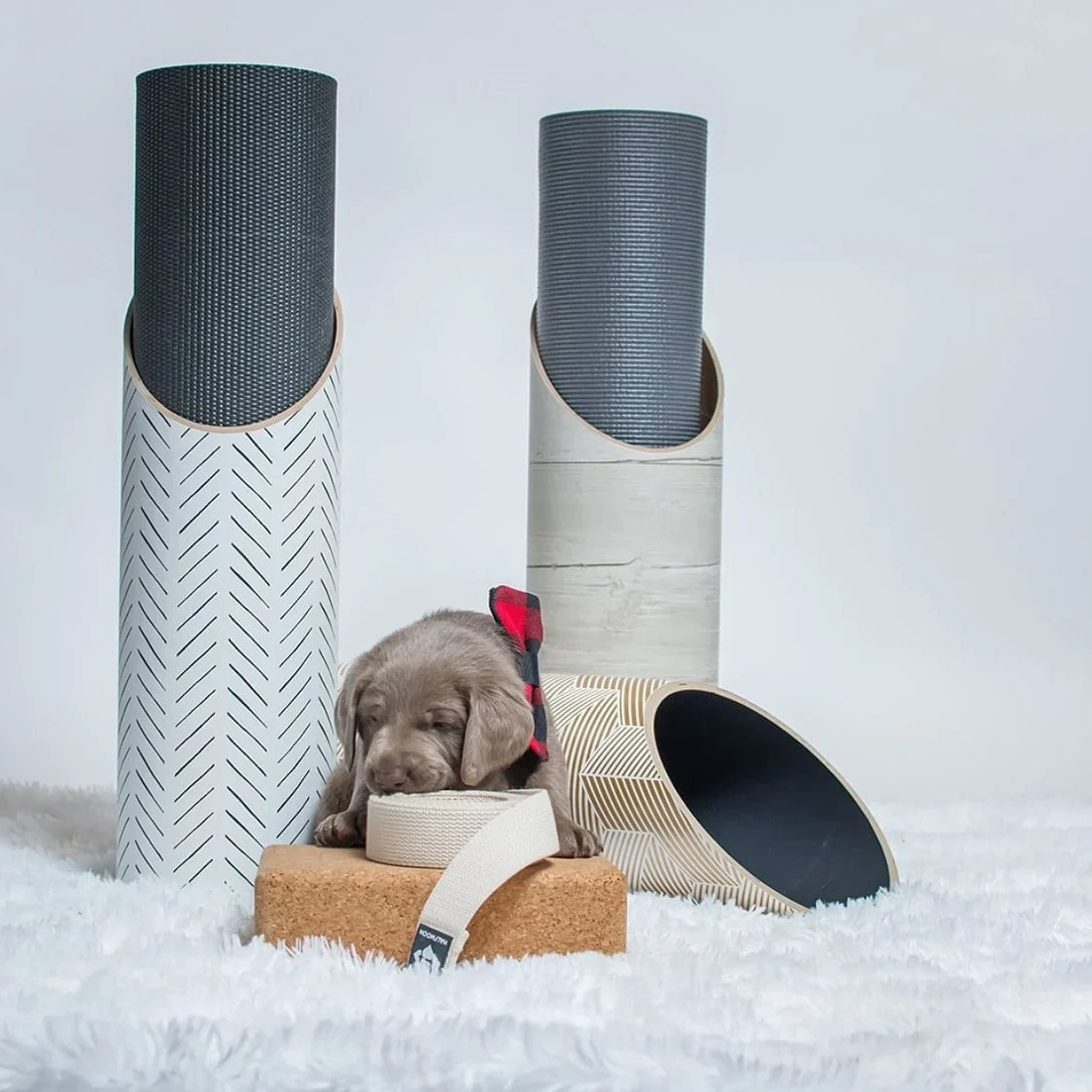
Mache’s Natural Cotton Yoga Strap comes in 6-, 8-, and 10-foot lengths with a metal buckle. Its 100% cotton Strap Sling doubles as a mat carrier and practice strap.
For yoga teachers, a strap can also be a useful addition to the studio prop collection, helping students explore poses with greater reach, support, and control.


How to Store Your Strap So It Stays Part of the Practice
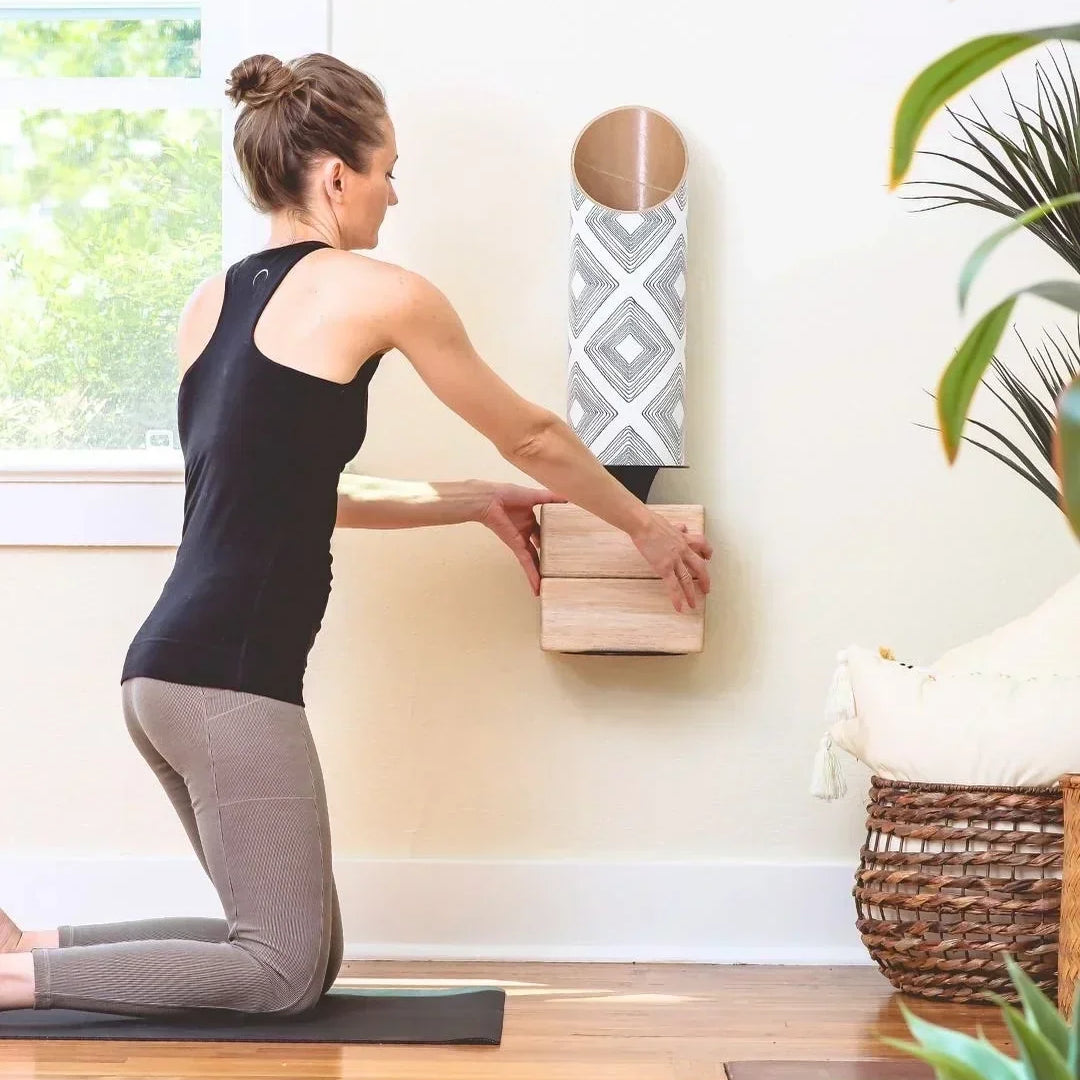
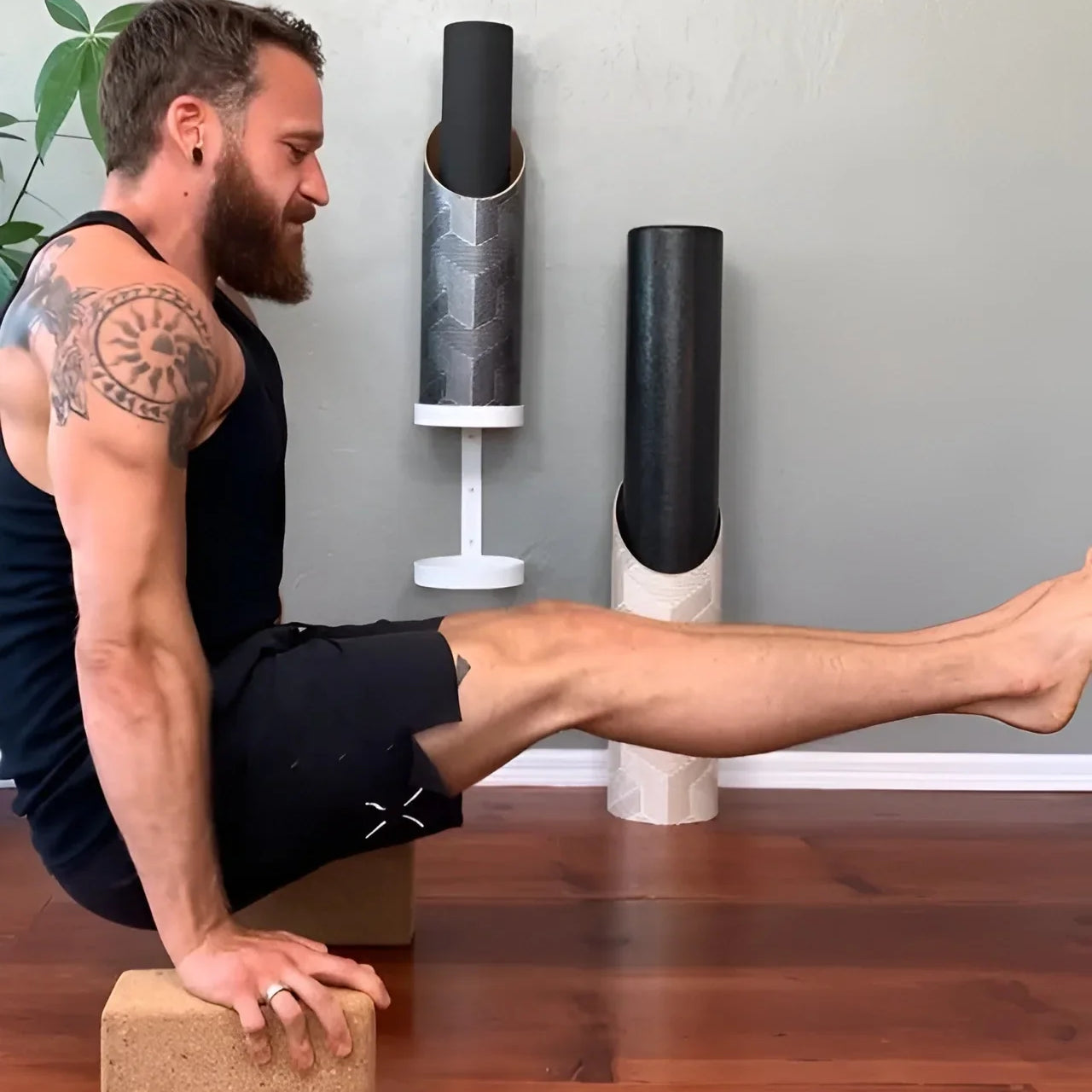
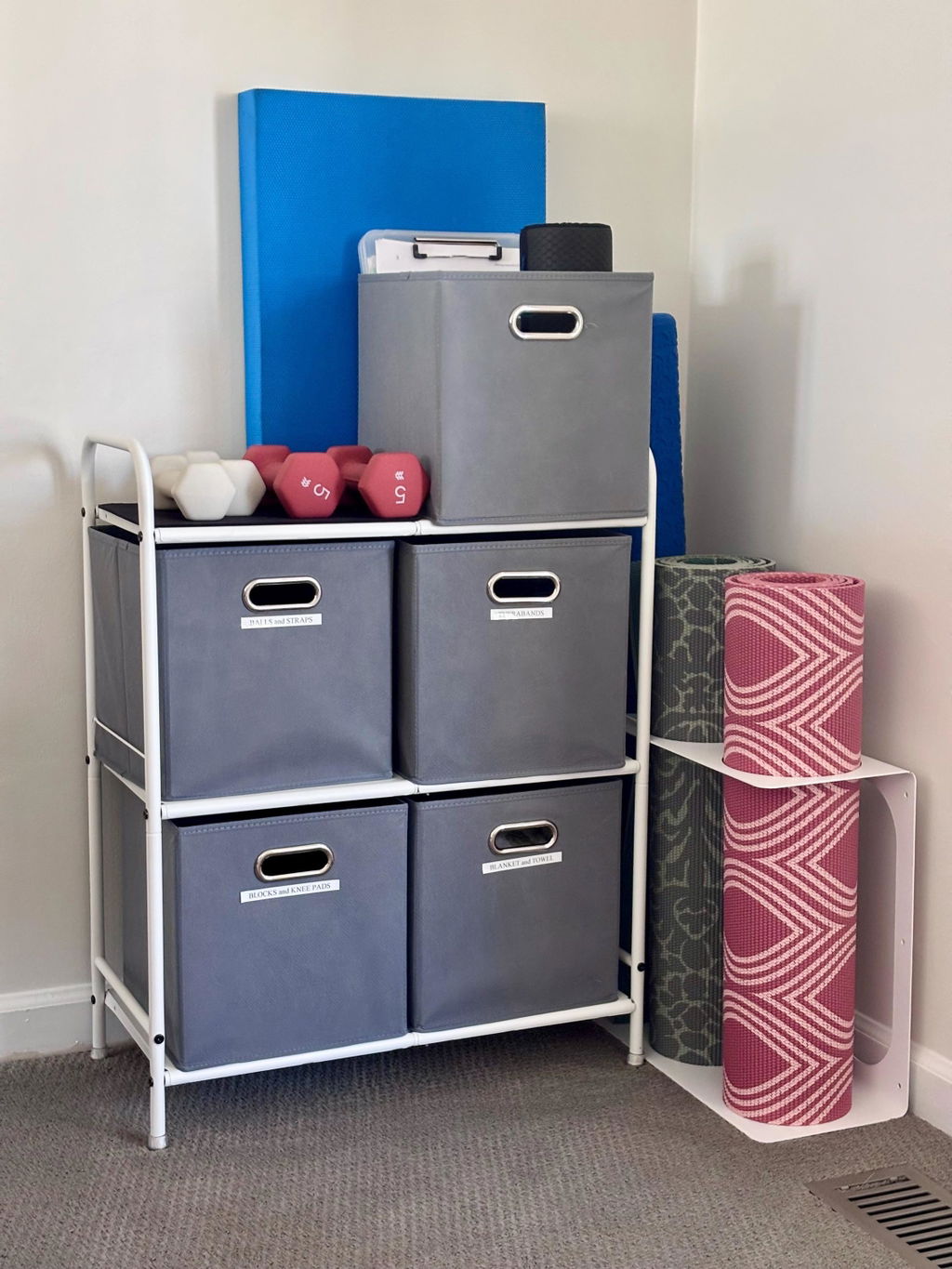
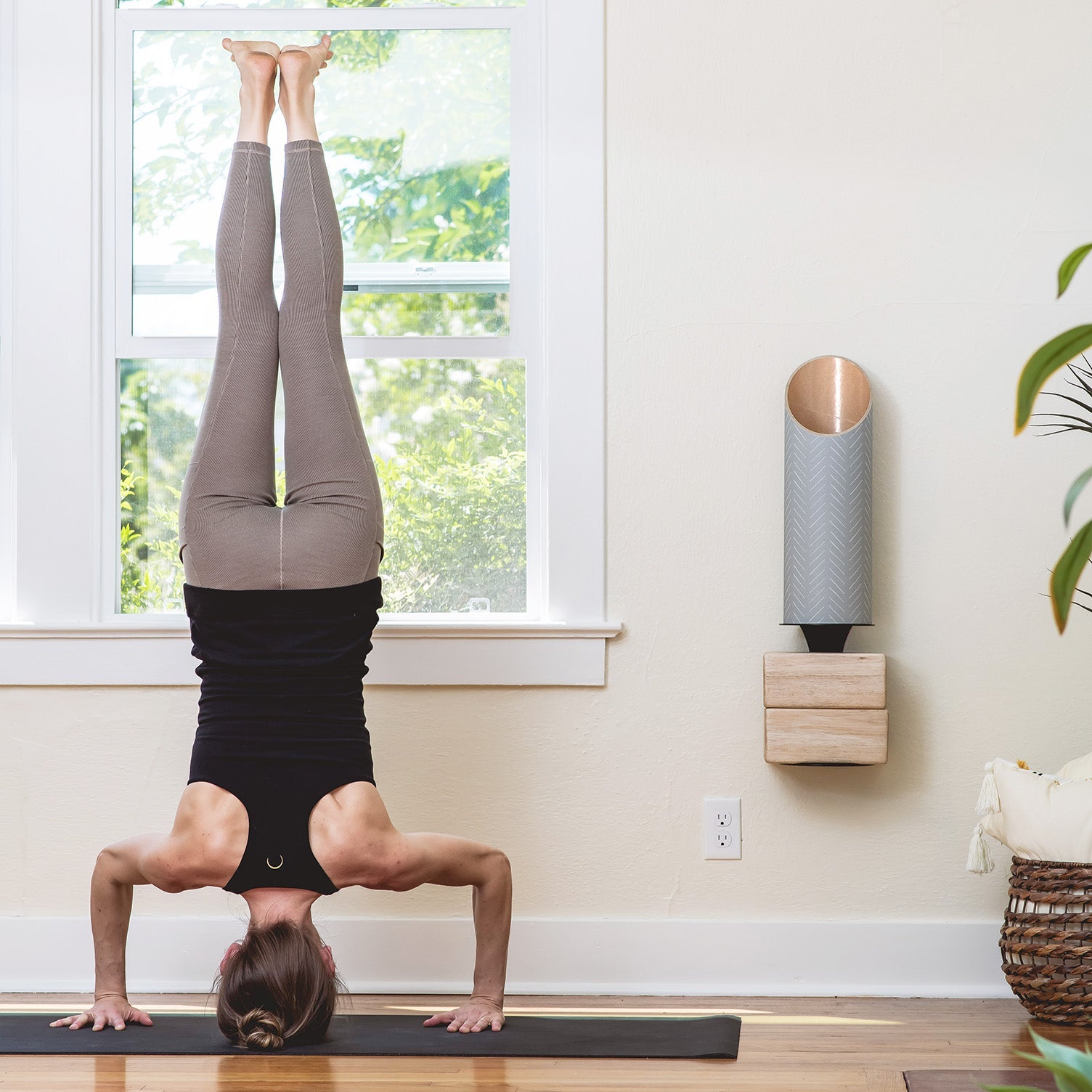
Keep your strap near your mat so it is easy to reach when you practice. Coil or fold it neatly and store it with blocks, bolsters, or other frequently used props. A wall rack or home yoga storage station can keep everything visible without creating clutter.
Mache’s Gather Yoga Storage Bundle organizes a mat, foam roller, two blocks, and a yoga strap in one place, making it easier to keep practice tools together.
Common Mistakes to Avoid
A yoga strap should support your practice, not make you work harder than necessary. Watch out for:
-
Pulling too hard to force a deeper stretch
-
Holding your breath or locking your joints
-
Choosing a strap that is too short for the pose
-
Letting the buckle press uncomfortably against your skin
-
Using the strap to force a bind or out-of-range position
Adjust the setup whenever needed and let the movement remain steady and comfortable.
FAQs
Do beginners need a yoga strap?
No, but it can make certain poses more accessible by extending reach and providing steadier support. Try improvising with a cloth belt to see if you like practicing with a strap before investing in the proper tool.
How long should a yoga strap be?
A 6-foot strap can suit shorter practitioners and travel. An 8- or 10-foot strap offers more room for taller bodies and wider poses.
Can a yoga strap help with stretching?
It can give the hands a stable place to hold during controlled stretches. Start with gentle tension rather than yanking on the strap and compromising your body.
What is the difference between a yoga strap and a yoga belt?
The terms are often used interchangeably. The basic tool and function are the same.
Mache’s Approach to Everyday Yoga Tools

Mache’s approach begins with the idea that wellness and the spaces around us are closely connected. Its yoga and self-care tools are designed with attention to materials, function, and more conscious everyday use.
A natural cotton strap can support movement, a mat carrier can serve multiple purposes, and thoughtful storage can keep useful tools within reach. The right tool can meet your practice where it is today and continue to serve you as that practice changes.
Explore Mache’s natural cotton straps, strap slings, and sustainable storage to find a tool that fits your body, your space, and the practice you are building.