



A calmer life does not always begin with adopting a new routine. Sometimes it starts with noticing.
Noticing how you feel when you wake up and reach for your phone. Noticing the pile of things sitting on your desk. Noticing that you keep your journal in a drawer you never open, or that your favorite chair has somehow become the place where laundry lives.
We often think of wellness habits as something we have to add to our lives. But mindful living can begin by paying attention to what is already there. Making small, deliberate choices that bring your surroundings and your daily rhythms into better alignment. Through the guide ahead, we will learn how to do that.
What Mindful Living Really Means at Home
Mindful living is less about having a perfectly organized home and more about being intentional with the environment you have.
That does not mean every object needs replacing or every room needs a makeover.
Start by asking:
-
What makes this space easier to live in?
-
What do I reach for every day?
-
What could I move or rethink?
This "as-is” awareness gives you a practical place to start.
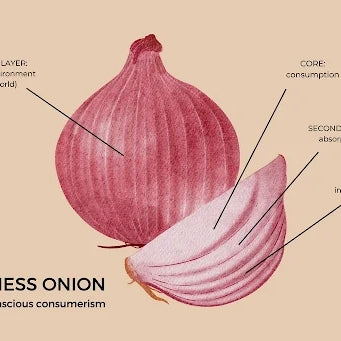
How the Wellness Onion Layer Approach Makes Change Feel Manageable
Wellness Onion layer approach keeps change from feeling overwhelming. Start with awareness, then pick one small change. As you gain confidence, each layer helps you spot what needs attention next. Maybe it is air quality, clutter, lighting, cleaning products, a sleep space, or a daily pause.
When your home supports the habits you want, these changes can become an integrated part of daily life.
6 Mindful Habits That Feel Sustainable

A habit becomes sustainable when it doesn't force you to become a completely different person in a day. It becomes repeatable when it works around your life.
1. Begin With a 10-Minute Fresh Air Reset
When you wake up, instead of going for your phone, take 10 minutes for yourself. Open the windows, step outside, or let the room breathe while you make tea, stretch, or journal. The Wellness Onion App includes a daily “Fresh Air Flush” practice that reminds you to make fresh-air ventilation part of your morning, while progress tracking helps you stay consistent and turn those few minutes into a routine.
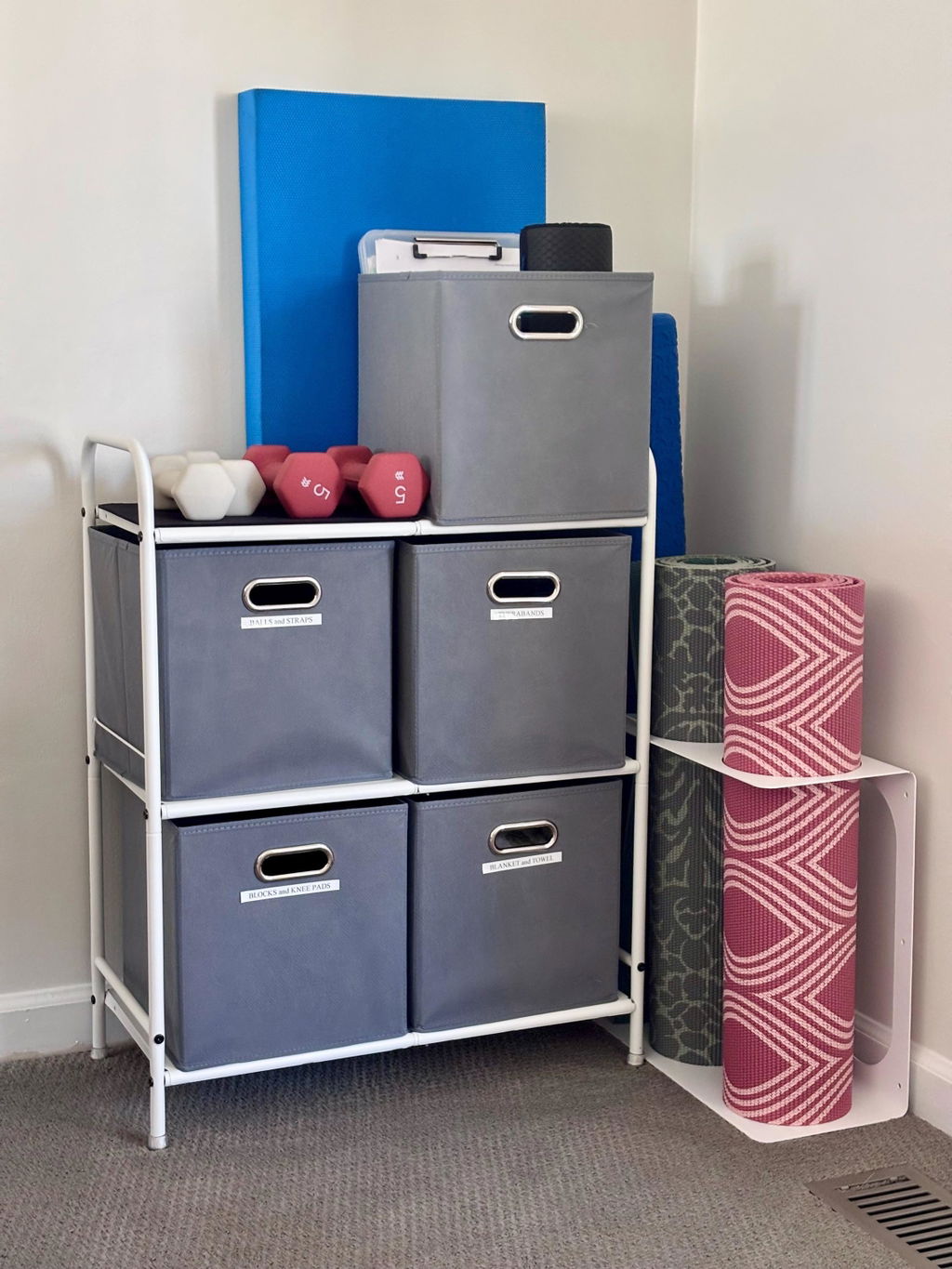
2. Give One Wellness Tool a Visible Home
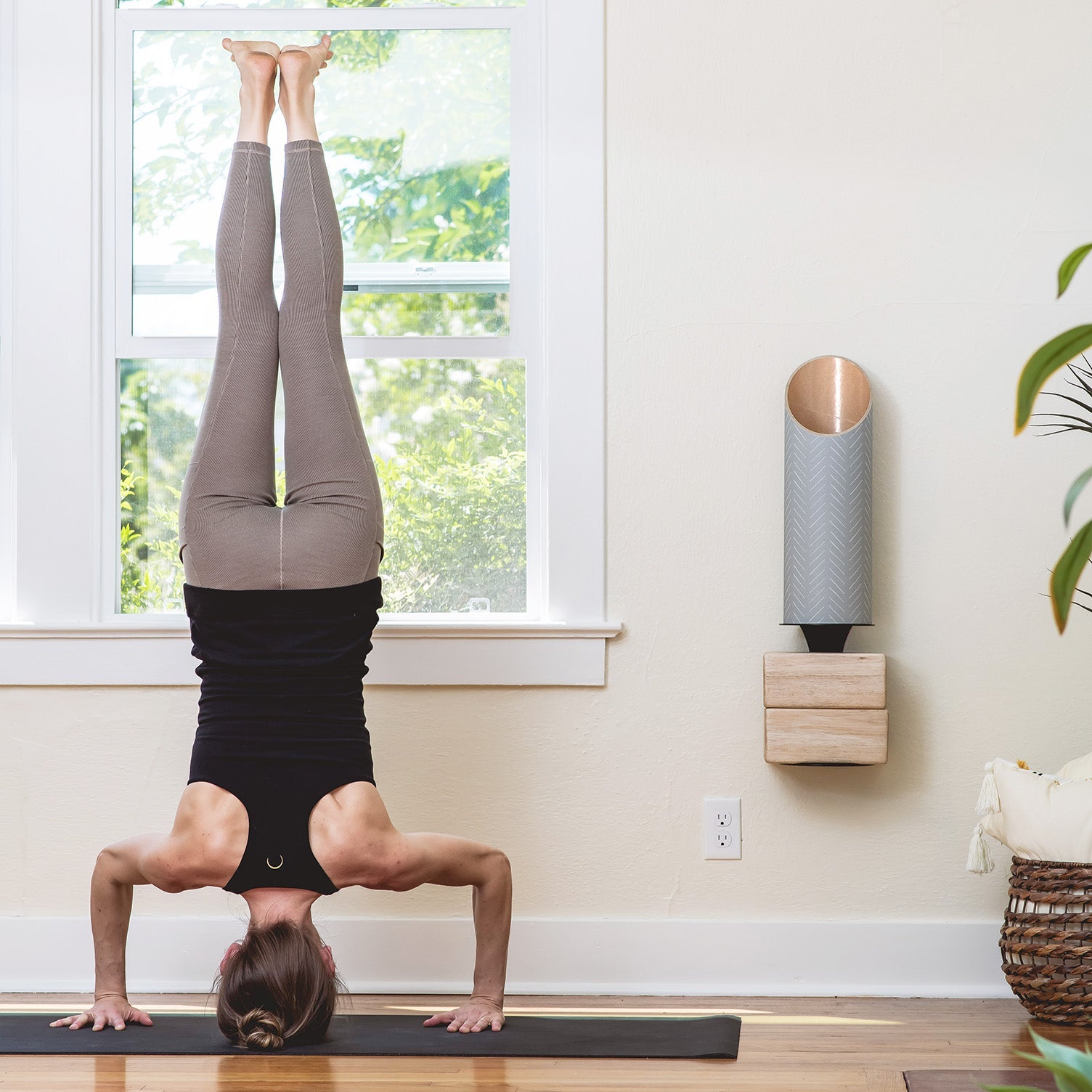
Your surroundings quietly shape your habits. When a journal sits on your side table, journaling becomes a habit. With a yoga mat in sight, you feel pulled toward yoga or meditation first thing in the morning. Walking shoes by the door make it easy to start jogging regularly. A chair by the window motivates you to build a reading habit.
3. Choose One Lower-Toxin Swap at a Time
When switching to cleaner, less-toxic products, start small. Rather than restocking everything, start with one product you use daily.
4. Create a Screen-Free Transition Ritual
After you finish your work, or in between tasks, take a five-minute break from the screen. At least an hour before bed, try to step away from screens altogether. If you work from home, keep your workspace separate from your bedroom when possible. Try not to work from your bed, as it can blur the boundary between work and rest and make it harder to switch off mentally.
5. Simplify One Surface
Choose one small area you use every day. It can be your bedside table, desk, or kitchen counter, and clear away what you no longer need. Keep the things you use most within easy reach and give everything else a proper place. A clutter-free space brings a sense of calm and makes everyday routines feel easier and less distracting.
6. End the Day With a Two-Minute Reflection
Before bed, take two minutes to look back at how your space and routines felt that day. Did stepping away from your screen help you unwind? Did clearing your nightstand make your evening feel calmer? Did you actually use the habit you made easier to reach?
Notice what worked, then carry that small insight into tomorrow.
How Your Space Can Support a Mindfulness Lifestyle
Your surroundings can gently encourage better habits. A thoughtfully arranged space can help you feel focused and grounded.
A mindfulness lifestyle becomes easier when your home gives you simple cues to pause and recharge. Softer lighting, clean surfaces, and natural materials where possible can create warmth and ease.
Give your journal, yoga mat, skincare, or other self-care tools a dedicated place in your home where they are easy to see and reach. These details can reduce friction between intention and action and support your daily rhythm.
How Mache Supports Sustainable Wellness at Home

Mache brings the Wellness Onion philosophy into the spaces where everyday life happens. Its Wellness Design approach combines sustainable materials, thoughtful furnishings, mindful color and lighting, and self-care tools to create spaces that align with your lifestyle.
Brienne Derosier, Mache’s Wellness Designer, helps clients extend their personal principles of health and wellbeing into their homes. From self-care spaces and yoga studios to home interiors and workplaces, her approach considers materials, lighting, furniture, and layout.
These thoughtful design choices can make it easier to create a home that supports your routines.
The Wellness Onion App brings that same philosophy into a guided daily format, with small practices, home audits, and reflections that help you notice what is working and what needs the next layer of attention.
A Simple One-Week Mindful Living Starter Plan
You can use the first week as a starting point and see how these small changes fit into your routine.
Day 1: Open windows for 10 minutes and notice how the room feels.
Day 2: Clear one surface that affects your morning or evening.
Day 3: Give one self-care tool a visible home.
Day 4: Replace one harsh scent or product with a gentler option when it makes sense.
Day 5: Create an hour-long screen-free transition before bed.
Day 6: Spend time in the room that feels most restorative. Notice why.
Day 7: Reflect on what felt easiest to repeat and which changes you would like to carry forward as part of your mindfulness lifestyle.
If you feel they are working well for you, you can continue with them and build from there. This is what mindful living can look like in practice, one manageable change at a time.
FAQs
What is mindful living?
Mindful living means paying closer attention to the spaces, routines, products, and choices that shape daily life.
How do I start without feeling overwhelmed?
Start with one layer: air, clutter, light, storage, or one small daily ritual.
Is mindful living the same as minimalism?
No. Minimalism focuses on having less. Mindful living focuses on choosing what supports your life with more care.
Can an app help with mindful habits?
Yes. A guided wellness app can make change feel more structured by offering daily prompts, home audits, lessons, and reflections.
Find a Rhythm That Feels Like Yours
Mindful living does not have to look the same every day or become another list of things to get right. What matters is finding small habits that fit naturally into your home, your schedule, and how you want to spend your time.
Some changes may become everyday rituals. Others may come and go with the season or with life itself. Give yourself room to notice what feels good, keep what serves you, and let the rest evolve.
A sustainable way of living is one you can enjoy returning to. Sometimes, the simplest changes are the ones that stay with us.
Explore Mache to support mindful living one layer at a time.